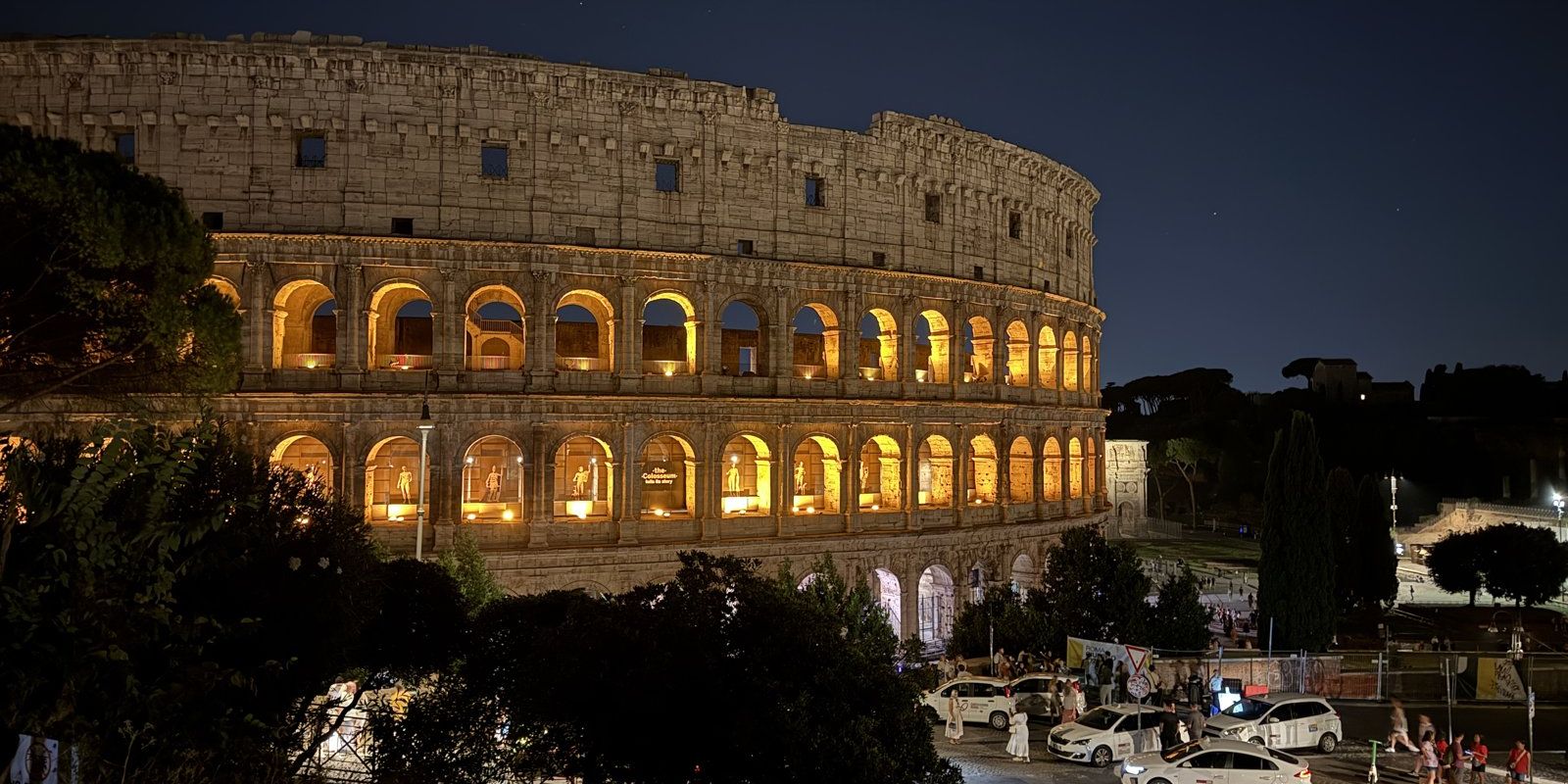
Every “3 days in Rome” article reads like the same Wikipedia list reshuffled. I’ve been coming back to Rome since 2022, and this is the order I’d send my own family in.
The order matters. Day 1 has nothing that needs booking weeks ahead, so it absorbs jet lag and check-in chaos. Days 2 and 3 are timed-entry mornings that cannot be stacked together. Most blogs front-load the Colosseum on Day 1; doing 3 days in Rome correctly means trusting the sequence.
One exception. If your trip falls on a Sunday and it’s not the last Sunday of the month, swap Day 1 and Day 2, because Vatican Museums close on Sundays.
Open ticketing.colosseo.it in another tab and book your Colosseum slot now. Then book your Vatican entry for the morning before. The 2026 €2 Trevi basin fee is the only other new thing you need to know.
Day 1: the historic center walk (jet-lag tolerant, one cheap ticket)
You’ve landed at Fiumicino, you’re running on three hours of plane sleep, and every other blog is telling you to grab the metro and sprint to the Colosseum. Don’t. Here’s what to do instead.
Getting from FCO to your hotel without getting fleeced
Four real options. Pick based on group size and arrival time, not what a blog tells you is “best.”
- If you’re solo or a couple, it depends where you sleep. Monti or Prati: take the Leonardo Express, €14 per person, 32 minutes non-stop to Termini, departures every 15 minutes, then a short walk or Metro A/B; follow the yellow signs from Terminal 3. Trastevere or Testaccio: skip the Express. Take the regional FL1 train instead, every 15 minutes on weekdays (30 on holidays), straight to Roma Trastevere station, cheaper than the Express and about as fast; from there it’s tram 8 up Viale Trastevere or a fifteen-minute walk. There is no metro from Termini to Trastevere, so the Express would cost you more and drop you on the wrong side of the river.
- With three or four people and luggage, take an official taxi from the rank outside arrivals. €55 flat fare to anywhere inside the Aurelian Walls. Check the license plate says “Roma Capitale,” not “Fiumicino.” That word matters; the wrong plate means the meter runs.
- Traveling with kids, or landing after 10 PM? Book a Welcome Pickups private transfer, €60 to €81 depending on vehicle. Meet-and-greet, child seats, luggage help, free cancellation up to 24 hours.
- On a bare budget, take the shuttle bus to Termini. Terravision from €4 one-way, about 45 minutes, departures every 20 minutes; SIT at €7, closer to an hour, every 30 to 40 minutes. Book the specific company, not “the shuttle”: their prices and timetables have diverged.
One scam warning. Never get into a car with anyone who walks up to you inside the terminal. The official taxi rank is outside arrivals; touts inside will charge you triple with no recourse. For the full breakdown of every transfer option, see my FCO to Rome comparison.
The walk, in the order I’d do it
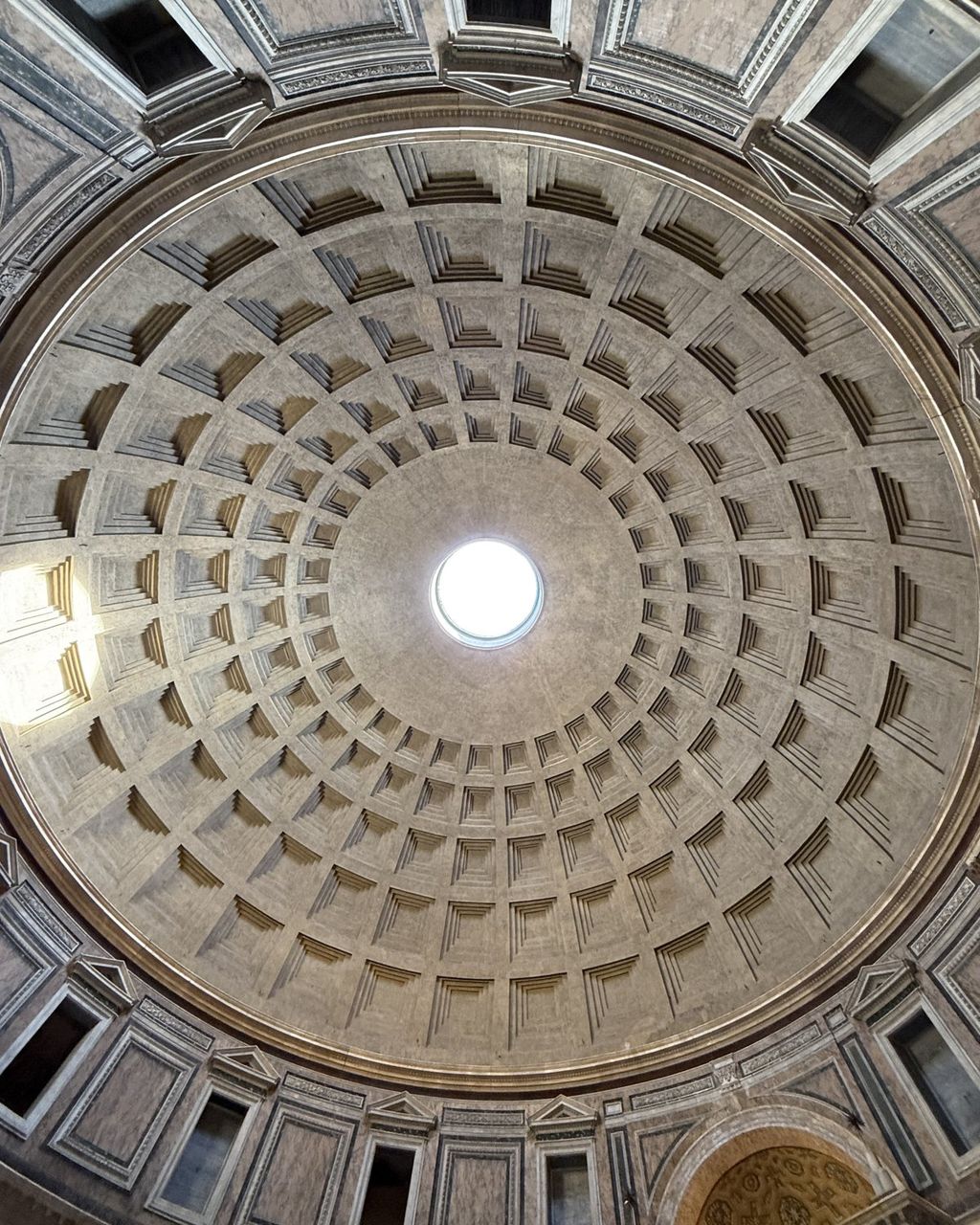
Start at the Pantheon. €7 entry (it went up from €5 on July 1, 2026), and since 2023 it runs on hourly time slots capped at 1,200 people, sold on the Museiitaliani site or app and at the machines on site. Buy the slot online before you walk over; in high season the door queue is where Day 1 goes to die. Opens 9 AM, last entry 6:30 PM, and the oculus light beam hits the floor most dramatically around noon.
Dress code is enforced, Vatican-style: shoulders covered, no very short shorts or skirts, nothing low-cut or see-through.
Combine the Pantheon with Campo de’ Fiori and Piazza Navona on the same half-day; they’re all within seven minutes of each other on foot.
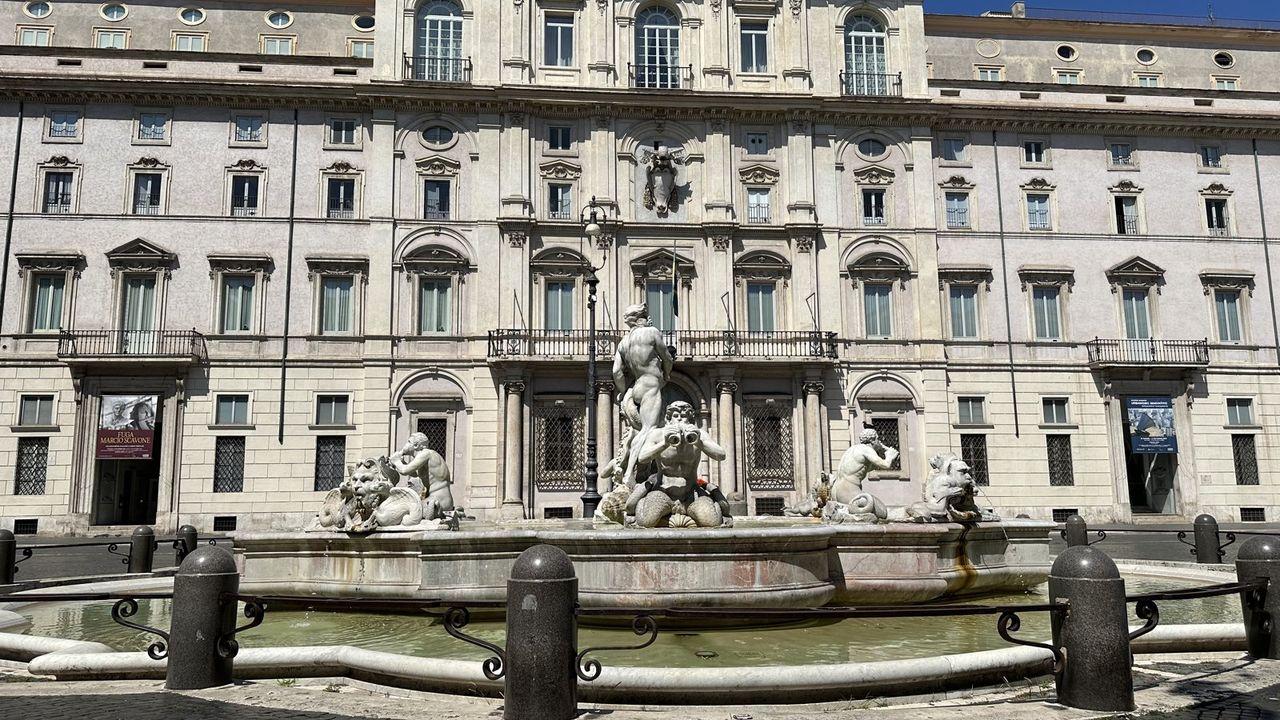
Next, Piazza Navona. Walk through it and photograph the Bernini fountain. Do not eat here. Not at any restaurant on the piazza, not at any restaurant within two blocks of the piazza.
Around Navona, a menu with no visible prices is the tell for the gelato-overcharge trick; walk on. The hype-men outside the trattorias are working for the worst restaurants in Rome.
From Navona, walk five minutes to Campo de’ Fiori. In the morning it’s a real market with vendors who know their tomatoes. By evening it turns into a drinking square for foreign exchange students. Mornings only.
Coffee stop: two minutes off the square, Barnum Café on Via del Pellegrino. I’ve watched locals walk in, stand at the counter, drink their coffee and go, and the one time I did the same it was really good. Do it their way: stand, pay, drink it fast, move on.
Then Trevi Fountain, and Spanish Steps to finish.
The Trevi €2 fee, decoded
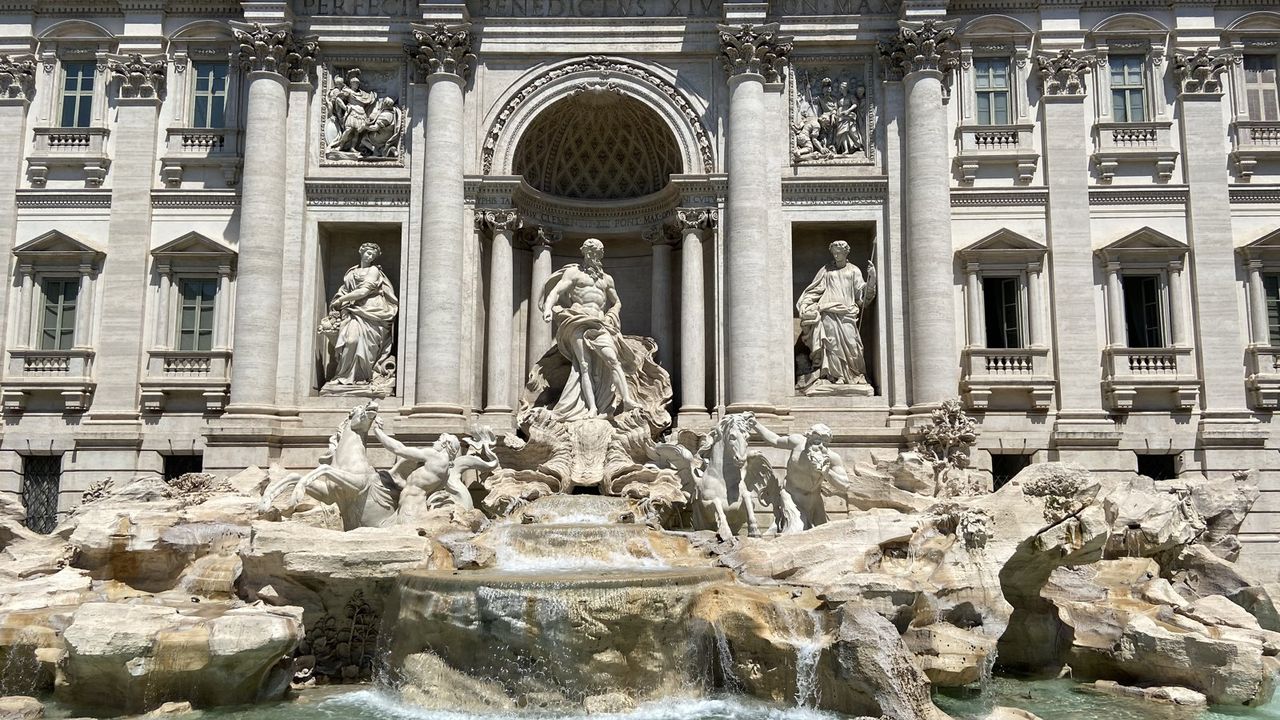
Since February 2, 2026, descending the steps to the lower basin costs €2. Tickets are sold online at fontanaditrevi.roma.it, at the basin entrance machines (card only), or in cash at any Civic Museum. Capacity is capped at 400 at a time with no time limit once inside.
Most blogs get this part wrong: there is no free window for the basin. The paid hours are 9 AM to 10 PM Tuesday through Thursday and at weekends, and 11:30 AM to 10 PM on Mondays and Fridays (cleaning mornings), last entry 9 PM. Outside those hours the basin perimeter is simply closed. What is always free is the view from the piazza above, and honestly, that’s the better photo.
The smart play is after 10 PM or before 8 AM. Late, the basin gate is shut, the piazza view is free and lit, and the crowd is thinner than daytime (never empty; this is Trevi). Early, before 8 AM, is the only time it’s genuinely quiet, and that upper-level view is free at any hour. Skip the basin gate entirely if you don’t need the postcard angle from the water’s edge. And don’t show up at 10 AM on a Monday expecting to descend; you’ll be standing in the upper piazza wondering what happened.
Lunch, and the restaurants to skip
Walk back toward Campo de’ Fiori and have lunch at Il Grappolo d’oro (Piazza della Cancelleria 80). Real Roman cooking, fair prices, Italian diners at the next table, no menu photos. Lunch in Rome is 30 to 40% cheaper than dinner for the exact same dishes, so this is where to spend on a proper sit-down.
The things-to-skip rules for every meal of your trip:
- Any restaurant on Piazza Navona or directly facing Trevi.
- Any place with a hype-man outside trying to flirt you in.
- Any menu with food photos or eight translated languages.
- Any carbonara that lists “panna” (cream). Panna on a carbonara menu means turn around and walk away. There is never, ever cream in a real carbonara.
Refill your water bottle for free at any nasone, the cast-iron street fountains with the curved spouts. Block the bottom hole with your thumb and water shoots up from the top. Rome has roughly 2,500 of them and the water is excellent.
For my full neighborhood-by-neighborhood list of trattorias, see where Romans actually eat.
Where to land for dinner
After Spanish Steps, walk twenty minutes downhill toward Monti and have dinner at La Carbonara on Via Panisperna 214. Monti-adjacent, walkable from the historic center, and it sets up tomorrow’s Vatican logistics by putting you on the right side of the city for an early Metro A start.
One last thing: coperto is banned in Lazio by regional law. If you see one on the bill, point at it. Bread basket charges (€2 to €3) are the legal workaround, so say “niente pane, grazie” when you sit down if you want to skip it. The full breakdown is in my coperto and tipping guide.
Day 2: Vatican Museums, Sistine Chapel, and St. Peter’s without the queue
The Roma Pass, the city pass everyone tries to sell you, does not cover the Vatican. The Vatican is a separate country. If that sentence is news to you, you’re exactly who this section is for.
Tickets, timing, and what the dress code requires
Book Vatican Museums online at museivaticani.va. €25 for timed entry (that’s €20 plus a €5 booking fee). Book the day your dates are fixed, and treat a month ahead as normal in high season (June through September, and the week around Easter): I booked four weeks out for a mid-September Monday and got the last slot of the day, with the midweek days already gone.
The walk-up price is €20 with no booking fee, but on a busy day there’s no guarantee they’ll let you in at all. The €5 you spend online buys a guaranteed slot, not a discount. if the official site is sold out for your date, this is the reseller I’d trust
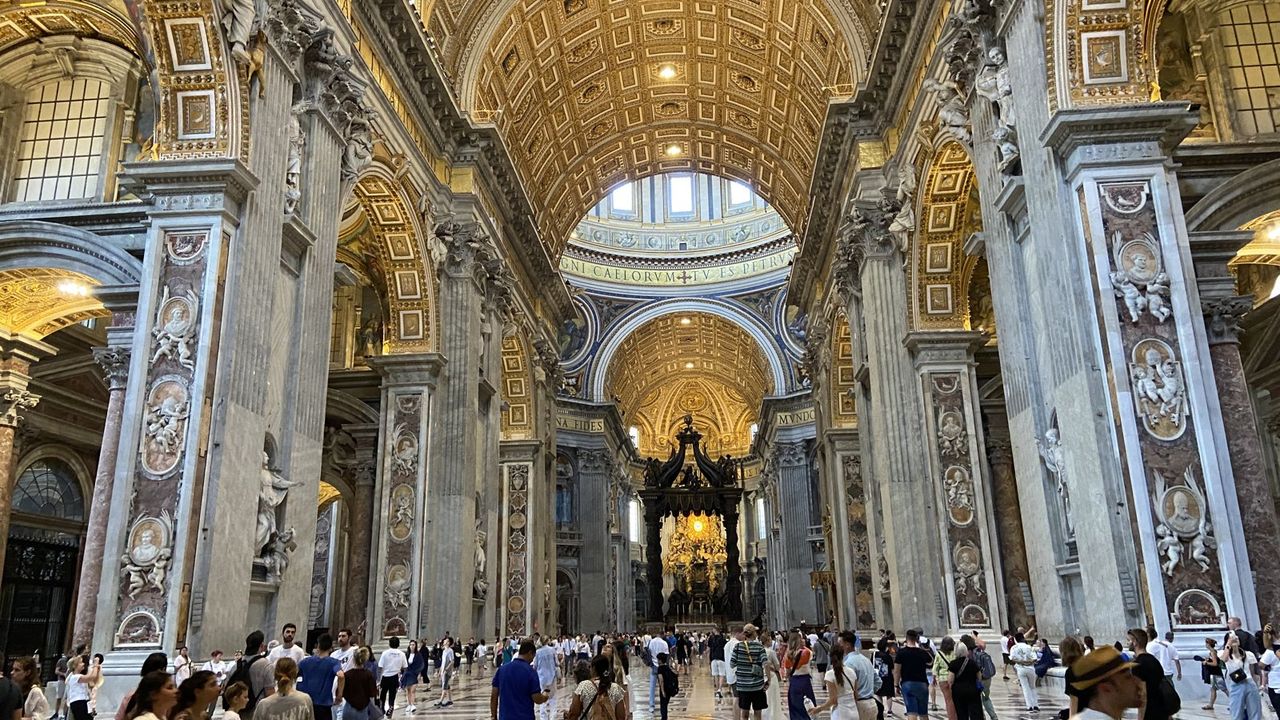
Arrive for the 9 AM opening. By 10 AM the Sistine Chapel is packed, even in February. The standard route is the right one: Octagonal Court, Pio Clementino, Raphael Rooms, then the Sistine. Plan on three hours minimum and a mile of walking before you reach the Chapel.
Dress code is strictly enforced at the entrance and again at St. Peter’s. Specifically:
- Shoulders covered. No cap sleeves, no tank tops.
- Knees covered. No shorts or skirts above the knee.
- Same rule at the Pantheon.
Carry a lightweight scarf as backup. They’ll turn you away at security if you arrive in summer clothes, and the nearest souvenir shop will sell you a paper shawl for €10.
One things-to-skip rule for Day 2: don’t buy the Roma Pass if your itinerary anchors on the Vatican. Vatican entry isn’t covered, the Pantheon isn’t covered, and the pass doesn’t pay for itself unless you’re stacking Colosseum plus Borghese plus 13 metro rides into 72 hours. The full math is on my Roma Pass worth-it page.
The Sistine-to-Basilica shortcut, settled
This is the single most confusing thing about visiting the Vatican, so let me put it down.
A passage called the Scala Regia leads directly from the Sistine Chapel into St. Peter’s Basilica without exiting Vatican Museums. It exists. It works. And as Romewise (a 25-year Rome resident authority) puts it plainly: it “cannot be used by individual travelers.”
The shortcut is reserved for guided tour groups. If you walk in on a standalone Vatican ticket, after the Sistine Chapel you’ll be funneled back out through the museum exit, around the colonnade, and into the free-entry line for St. Peter’s Square. That basilica queue moves, but expect 30 to 60 minutes during peak season.
If the shortcut matters to you (mobility issues, tight schedule, queue allergy), book a guided tour and look specifically for the phrase “privileged entrance” or “direct access to St. Peter’s via the Sistine Chapel.” the GetYourGuide tour that genuinely includes it (pick an option named “+ St. Peter’s Basilica”; the base option doesn’t include the passage). Expect a real premium over the standalone ticket; the exact gap depends on the operator and the date.
If the shortcut doesn’t matter (and for most first-timers, it doesn’t), take the individual ticket route and bring patience. The basilica line is annoying but it moves. I rank the Vatican tour operators by who delivers the shortcut in my Vatican tickets comparison.
Afternoon: St. Peter’s dome and Castel Sant’Angelo
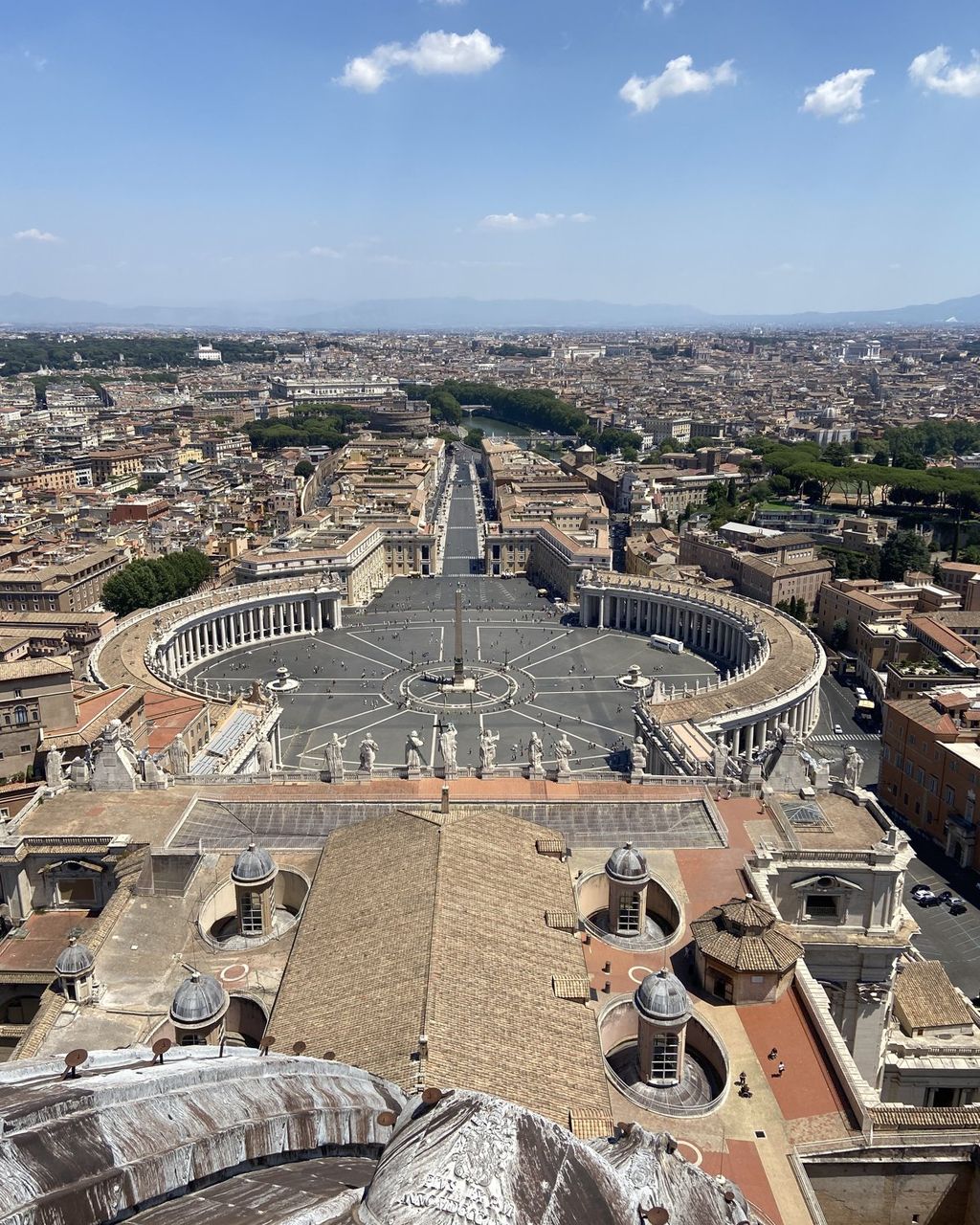
St. Peter’s Basilica entry is free. The dome climb is 551 steps on foot, or an elevator partway and 320 steps from there. Booked online it’s €17 (stairs) or €22 (elevator), bundled with the basilica audioguide; on the day, buy at the entrance to the climb on the right side of the basilica’s portico. I’ve made the climb; the view from the top is the best in Rome.
For lunch, walk into Prati. L’Osteria degli Avvocati is 11 minutes from the Vatican exit, real Roman food, lunch menu at 30 to 40% off the dinner equivalent. Order the cacio e pepe.
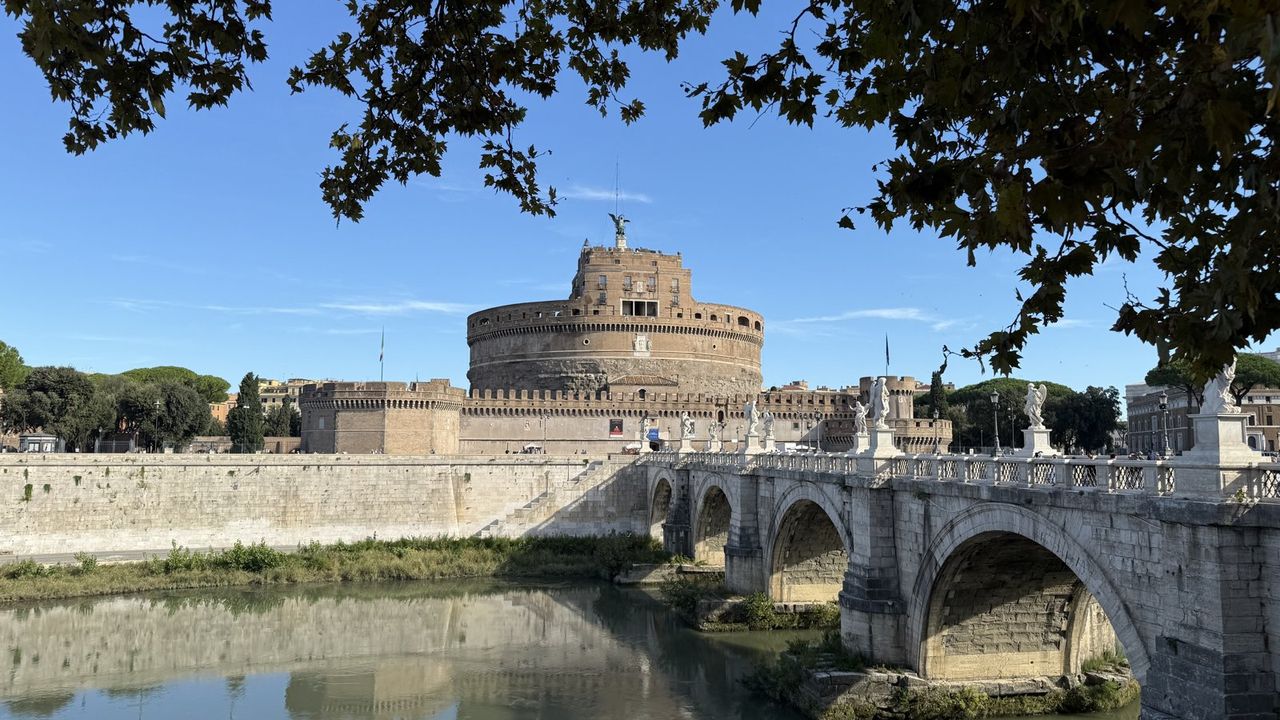
In the afternoon, cross the Tiber to Castel Sant’Angelo. Ticketed entry, skip-the-line passes available, an easy two-hour visit that ends with the rooftop terrace and the bridge view of St. Peter’s at golden hour. If you have to pick one afternoon site after the Vatican, pick this one.
One Monday warning. Many museums in Rome close on Mondays. If your trip includes a Monday, make it Day 1 (no museum dependency, just walking) rather than Day 2 or Day 3.
What to skip if you only have 3 days
Don’t bolt across the river to Trastevere for dinner on Vatican day. You’ll lose an hour each way and you’re already exhausted from three miles of museum standing. Eat in Prati where you already are. It’s quieter, cheaper, and the carbonara at L’Arcangelo is the most technically interesting in the city. Chef Arcangelo Dandini uses only egg yolks (no whole eggs) for a golden texture, and omits black pepper from the dish itself. Save Trastevere for tomorrow evening, if the energy returns.
Day 3: Colosseum, Roman Forum, and Palatine Hill on a single ticket
One ticket. Three sites. €18. Booked exactly 30 days out at ticketing.colosseo.it. If you do nothing else right today, do this.
The Colosseum ticket reality
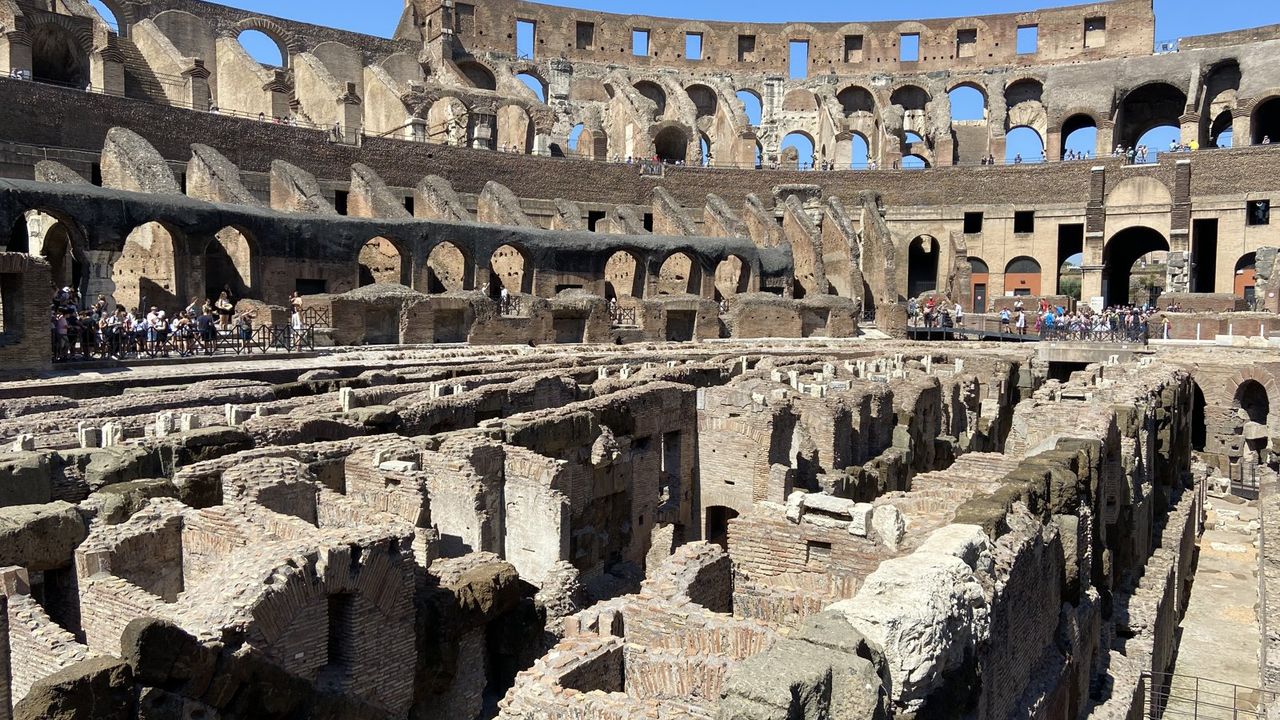
Let me settle a myth first. The Colosseum does not use dynamic pricing. The standard adult ticket is €18, booking fee included (the old separate €2 charge was folded into the price), whether you book the day the 30-day window opens or the day before. Availability changes with demand; the price doesn’t. (Kids under 18 go free but still need a timed slot booked.)
Premium tickets (Arena Floor, Underground, or Attic) are €24. The Attic-level tickets, in particular, sell out within hours of the 30-day window opening. If you want to walk the upper level where the senators sat, set a calendar reminder for exactly 30 days before your visit and book the moment availability drops at midnight Rome time. the fallback when the official slots are gone
Avoid the first Sunday of the month. Yes, entry is free that day. It’s also the busiest day at the Colosseum by an order of magnitude, and you’ll need to arrive 30 to 45 minutes before opening just to get in line for a ticket that costs nothing but delivers a worse experience than the €18 one.
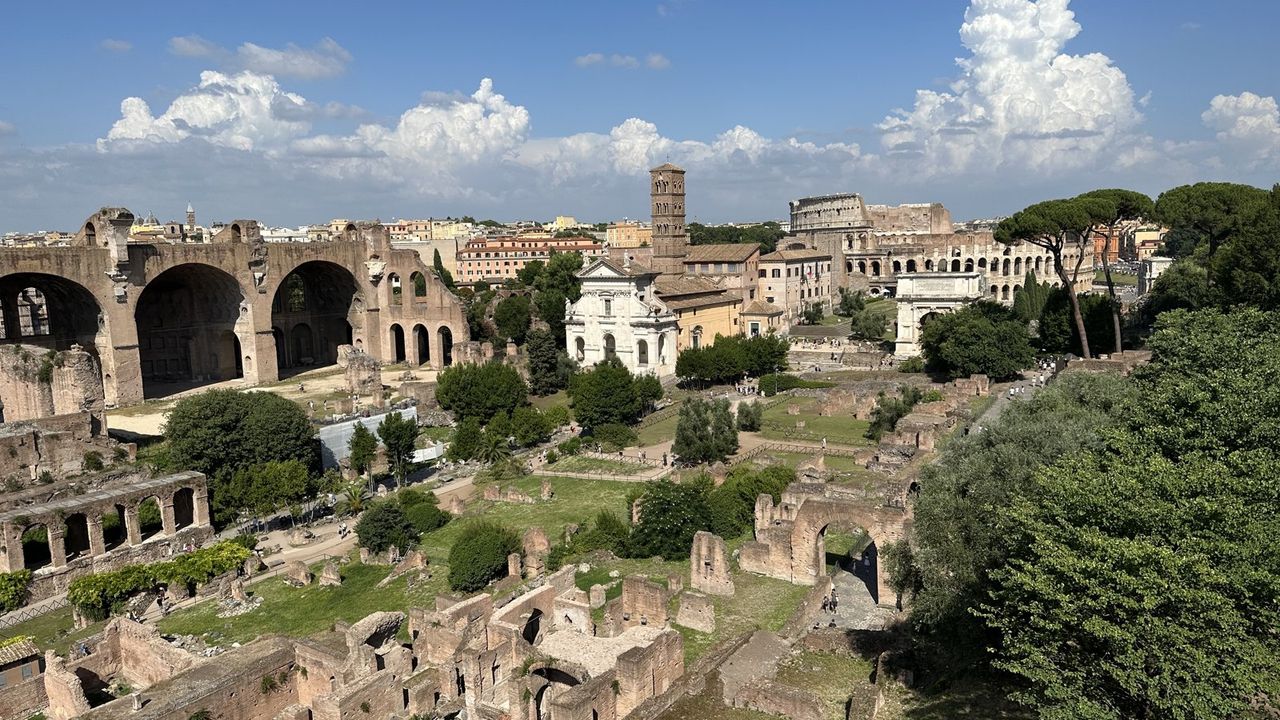
The combo ticket includes the Roman Forum and Palatine Hill on the same stub. Most visitors don’t realize this; they queue separately for the Forum, sometimes the same afternoon, sometimes the next day, paying nothing extra but losing time. If you enter the Forum at the Via di San Gregorio entrance (Palatine side), there’s almost never a queue at all.
Things to skip outside the Colosseum: the centurions in costume selling “skip-the-line tours” and offering “free” photos. Hard pass. The photo isn’t free, the tour isn’t legitimate, and they don’t have any tickets you can’t get cheaper online. Full breakdown of the official site versus the resellers is in my Colosseum tickets comparison.
The route, 9 AM to 1 PM
Hit your 9 AM Colosseum slot. Ninety minutes inside is plenty for a first visit. The audio guide built into the official app is fine; the centurion guides are not.
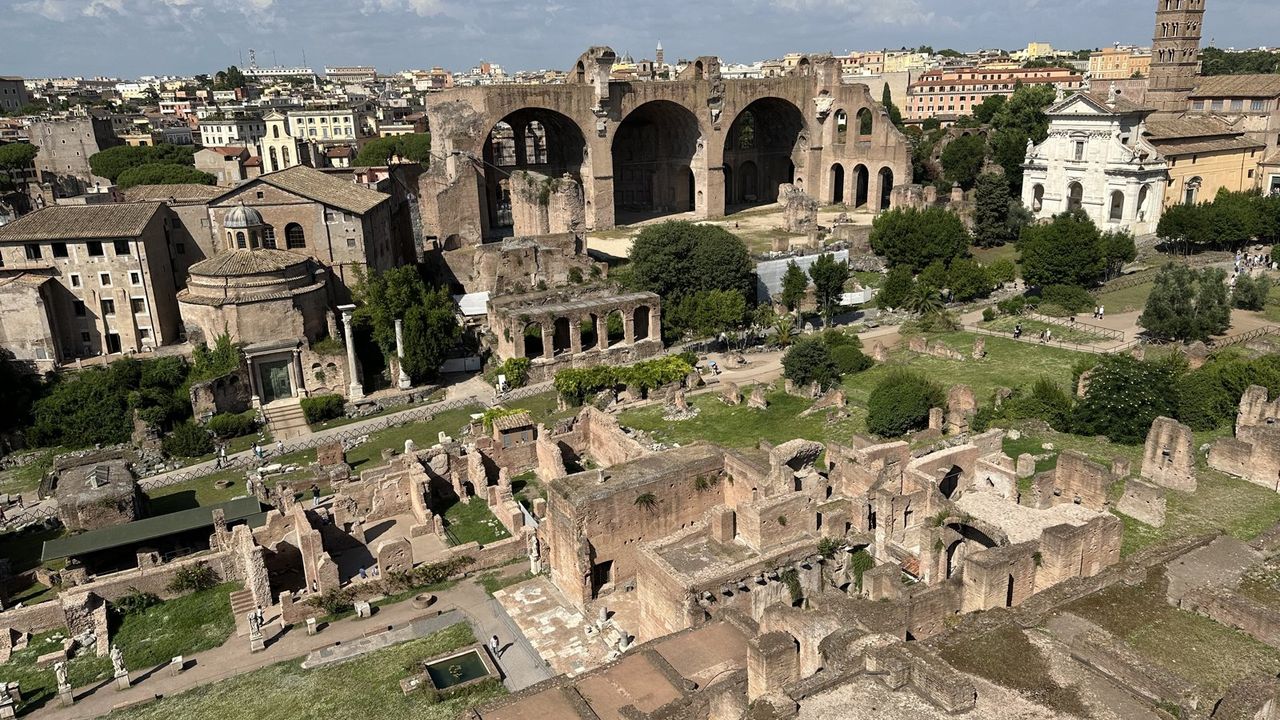
Walk out and down Via dei Fori Imperiali toward the Forum entrance. Same ticket, no extra queue. Allow two hours for the Forum plus Palatine if you want to read the placards and climb the hill for the view back across the basilicas. Ninety minutes if you’re flagging.
Lunch at La Taverna dei Fori Imperiali, Via Madonna dei Monti 9. Eight minutes on foot from the Colosseum exit, deep in Monti, reliable, fills fast. Reserve ahead if you can; if you can’t, arrive at noon, not 1 PM.
Afternoon options. If you have energy, walk up through Monti to the Capitoline Hill for the view at golden hour and an aperitivo on the way. If you’re done, go back to the hotel; you’ve earned it. One thing I’d skip on Day 3: the Borghese Gallery, unless you booked it weeks ago. Entry runs in hourly slots capped at 180 people, reservation mandatory, and they don’t let you in without one, period.
Dinner in Testaccio
Take Metro B one stop south from Colosseo to Piramide, or walk 25 minutes along the river. You’re now in Testaccio, Rome’s historic slaughterhouse district and the birthplace of Cucina Romana, the four classic Roman pastas. Carbonara, cacio e pepe, amatriciana, gricia, all of them invented or perfected here. The neighborhood doesn’t get many day tourists because nothing photogenic happens here in the afternoon, which is exactly the point at dinner.
Book a table at Flavio al Velavevodetto (Via di Monte Testaccio 97), built into the side of Monte dei Cocci, Rome’s literal hill of ancient amphora shards. All four Roman pastas done classically, mid-range prices, no English-only menu. Reservations are essential at dinner. Order the amatriciana if you’ve only ever had carbonara; it’s the tomato one with guanciale and Pecorino, and Romans will tell you it’s the harder one to get right.
Same coperto rule as Day 1. Bread basket charges are the Lazio workaround. Say “niente pane, grazie” when you sit if you want to skip it.
If you’re feeling ambitious
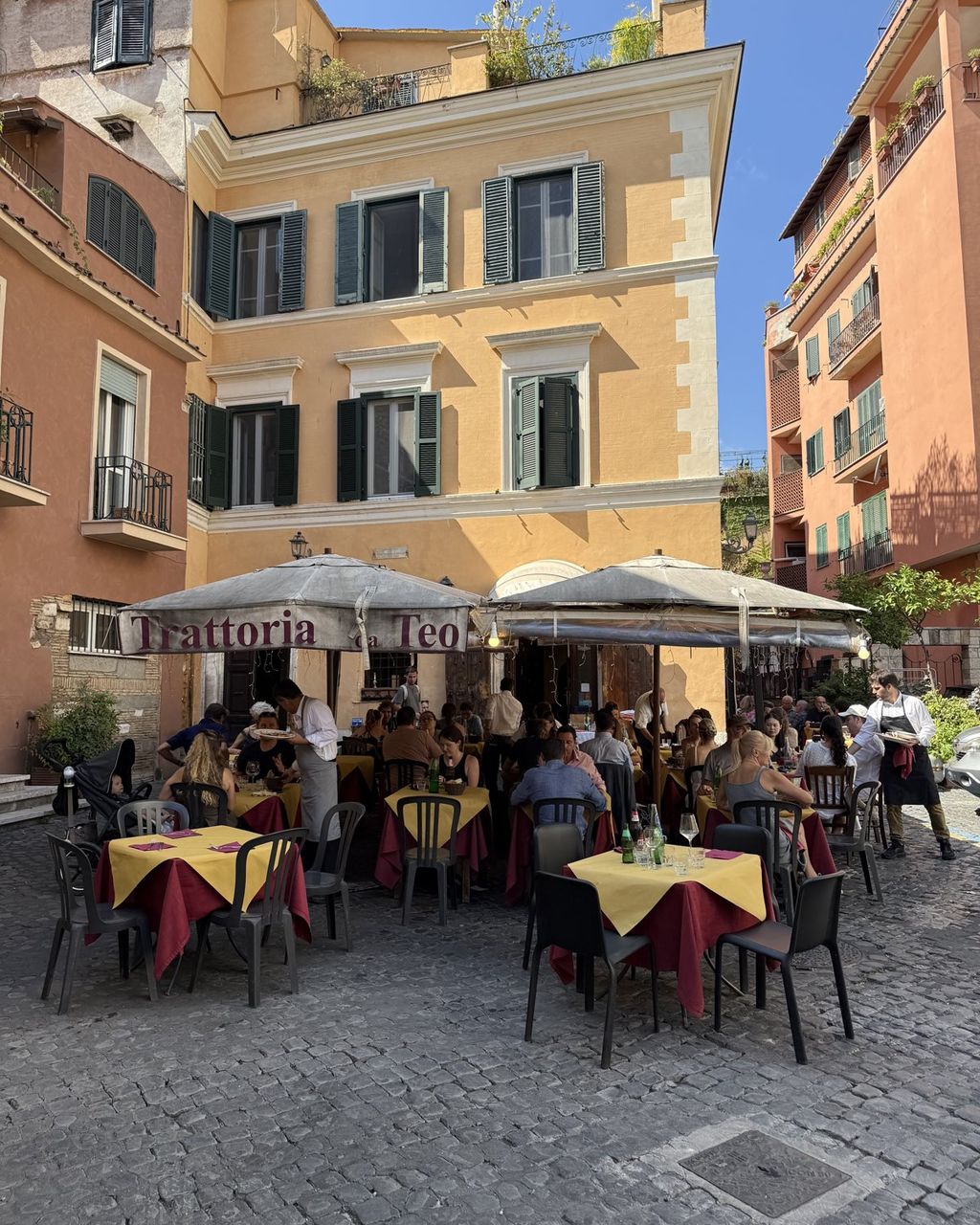
If you have a fourth morning before your flight, go to Trastevere, but not for the food. Go for the walk. Cross Ponte Sisto at 8 AM before the day tourists arrive, get a cornetto at Biscottificio Innocenti on Via della Luce, and wander the cobbled lanes around Santa Maria in Trastevere while the bars are still being scrubbed down from the night before. That’s the Rome you came for, but you have to earn it by getting up early.
And book the Colosseum ticket window first. Every other decision shapes around it.
Where to stay for these 3 days: Monti vs Prati vs Trastevere vs Centro Storico
Every Rome blog recommends Monti. Most of them have never tested a suitcase on its cobblestones at 11 PM. Here’s the honest trade-off.
Monti. 8 minutes on foot to the Colosseum, Metro B at Cavour. Pro: village vibe, walkable to Day 3’s anchor without transit. Con: dragging a wheeled suitcase across cobblestones at midnight is brutal, and the cute streets get loud on weekend nights. My pick if Day 3 (Ancient Rome) is the day you most want to maximize.
Prati. 10 minutes on foot to the Vatican, Metro A at Ottaviano. Pro: the only Rome neighborhood with wide, flat sidewalks (no ankle-twisting), genuinely quieter at night, good-value B&Bs. Con: less character; it can feel more Madrid than Rome. My pick if Day 2 (Vatican) is the day you need to optimize, or if you’re traveling with rolling luggage or anyone with mobility constraints.
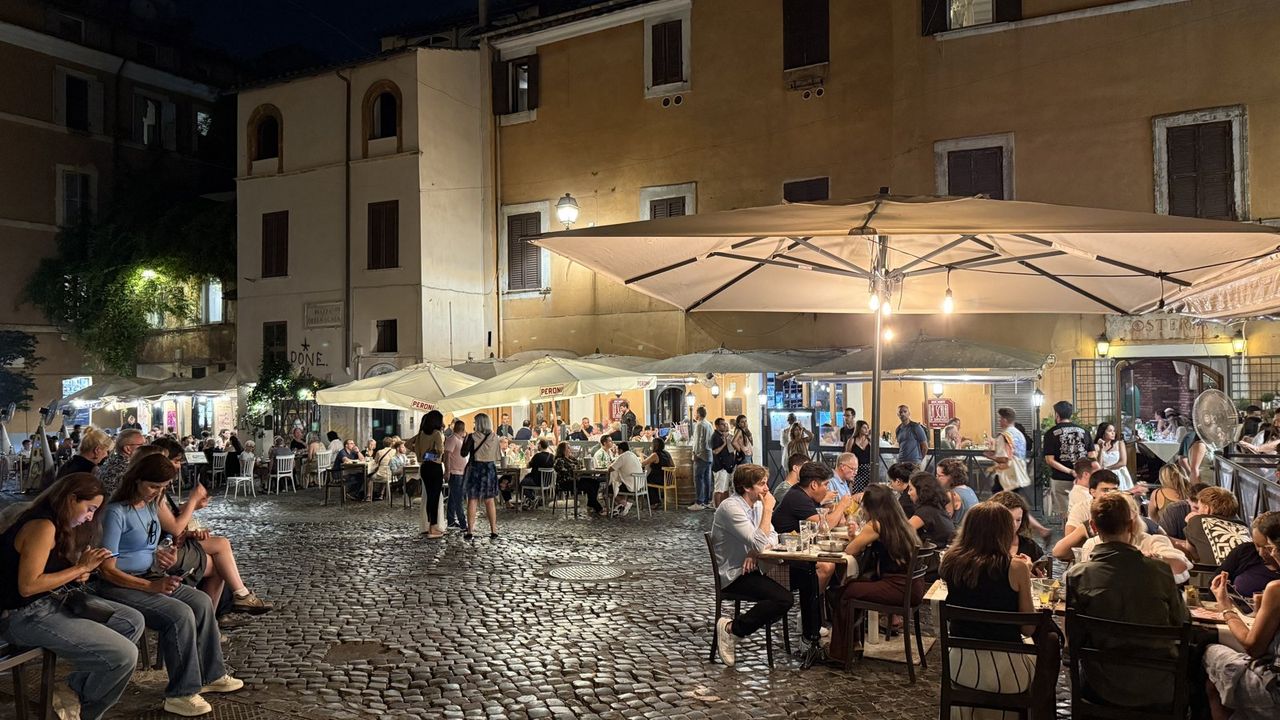
Trastevere. 20 minutes on foot to the historic center, no metro inside the neighborhood. Pro: the most photogenic neighborhood in Rome, best evening atmosphere. Con: it’s Rome’s party HQ at night, noise will disrupt sleep on weekends, and you’re committed to a 20-minute walk or tram every morning to reach Day 2 and Day 3 anchors. My take: visit for dinner, don’t sleep there.
Centro Storico. Walkable to Pantheon, Trevi, and Navona; no metro inside the pedestrian zone. Pro: every Day 1 stop is on your doorstep. Con: roughly 3x the price of equivalent rooms in Monti or Prati, and surprisingly hard to reach by taxi at peak times because of pedestrian zone restrictions. My pick only if budget is not a constraint.
Verdict: for most first-timers, Monti or Prati win. Pick based on which day matters more to you. Trastevere is a dinner destination, not a base; Centro Storico is the splurge. My full hotel-by-hotel comparison is in where to stay. hotel search for Monti / Prati