
That 33,455 figure came from Rome’s Prefetto and Questore at their year-end briefing in December 2024. It works out to roughly a hundred reported pickpocketing incidents a day, up 68% on 2019. It is also the only hard crime statistic on this page, because it is the only one I could trace to an actual authority rather than to a blog quoting a blog.
Now the counterweight, which most Rome scams pages skip because fear ranks better. Homicides in Rome fell in 2024 and remain rare, per that same briefing. Your realistic worst case is an expensive, annoying afternoon, not a dangerous one.
So this page is built the other way round. Every pattern below is one you can meet in 2026, with what it looks like, where, the one move that ends it, and what changed recently. Fares, fines and rules are checked against the operators and the city (ADR, ATAC, Roma Capitale) rather than copied off other travel sites, and where something could not be verified, I say so instead of smoothing it over.
1. Pickpockets on the 64, the 40 and Metro Line A
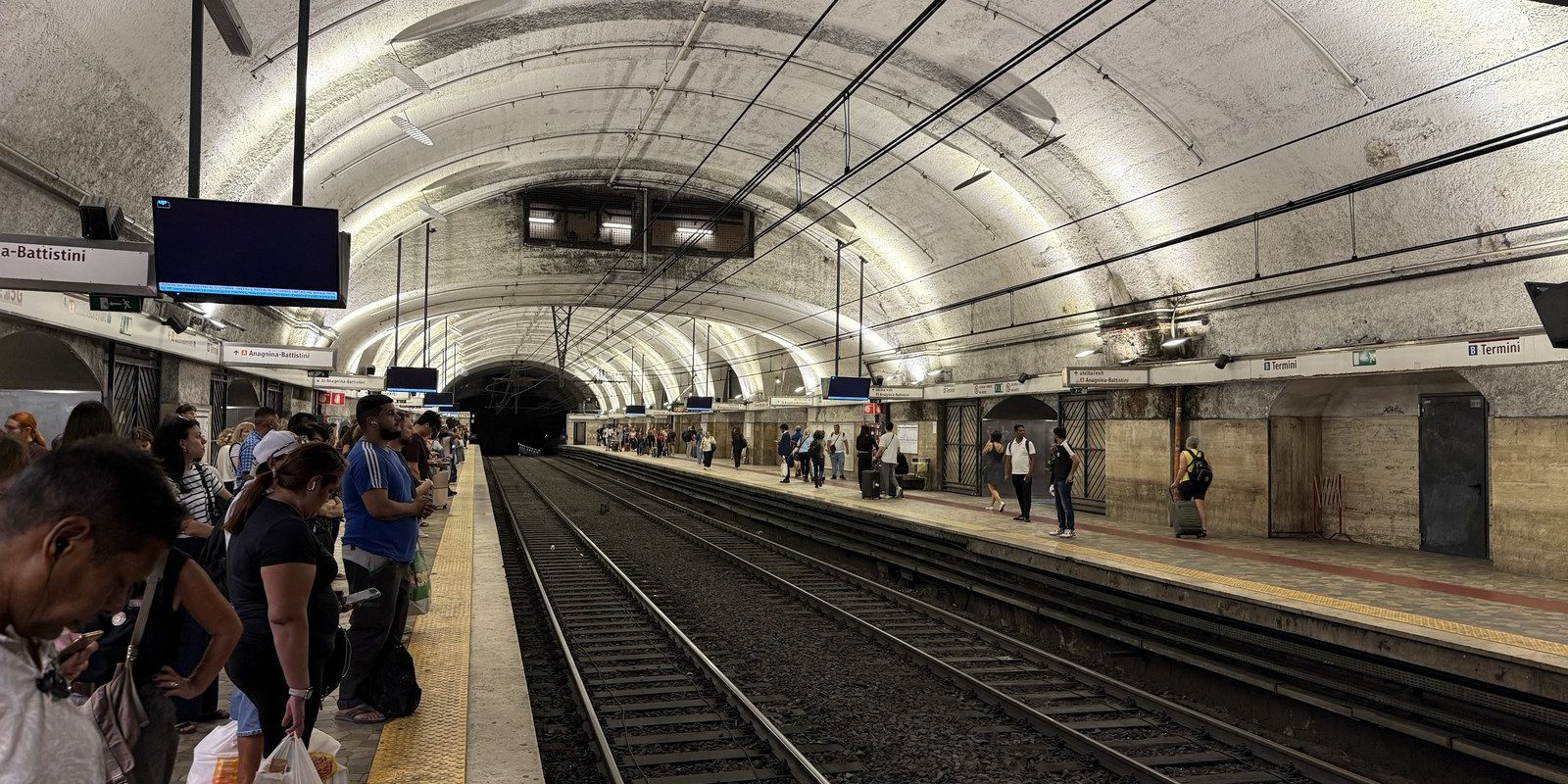
The doors open at Termini, the crush pushes you forward, someone is suddenly too close and apologising, and your bag is already open. That is not bad luck. That is choreography.
It takes two to four people. A blocker stops dead in the doorway so the queue compresses, a lifter works in the press, and a third takes the hand-off and steps off before the doors close. Your wallet is on the platform while you are still moving. The crush is the tool, not the setting.
Bus 64 (Termini to St Peter’s) and bus 40, the express version, are the most-named lines in Rome. On the metro it is Line A at Termini, Spagna and Ottaviano.
Here is the nuance no other list gives you. In a sweep on 21 August 2026 that produced six arrests for tourist-area theft, one pickpocketing arrest was for a wallet lifted on line 62. Not the 64. The line number is not the risk. The crush is.
Before you board, move your phone and wallet to a front pocket or a zipped bag held in front of you, and keep them there until you are back on the pavement.
The other thing that takes your money on transit is the fine. An unvalidated ticket costs €104.90, reduced to €54.90 if paid within 5 days, per ATAC’s own fines page. Validate the paper ticket the second you board, and watch the reader confirm a contactless tap: ATAC does not document whether a failed tap counts as validation. Termini to the Vatican with luggage? Take the metro to Ottaviano, not the 64. Routes in the metro and bus guide.
2. Phone and Chain Snatching While You Are Looking at Your Map
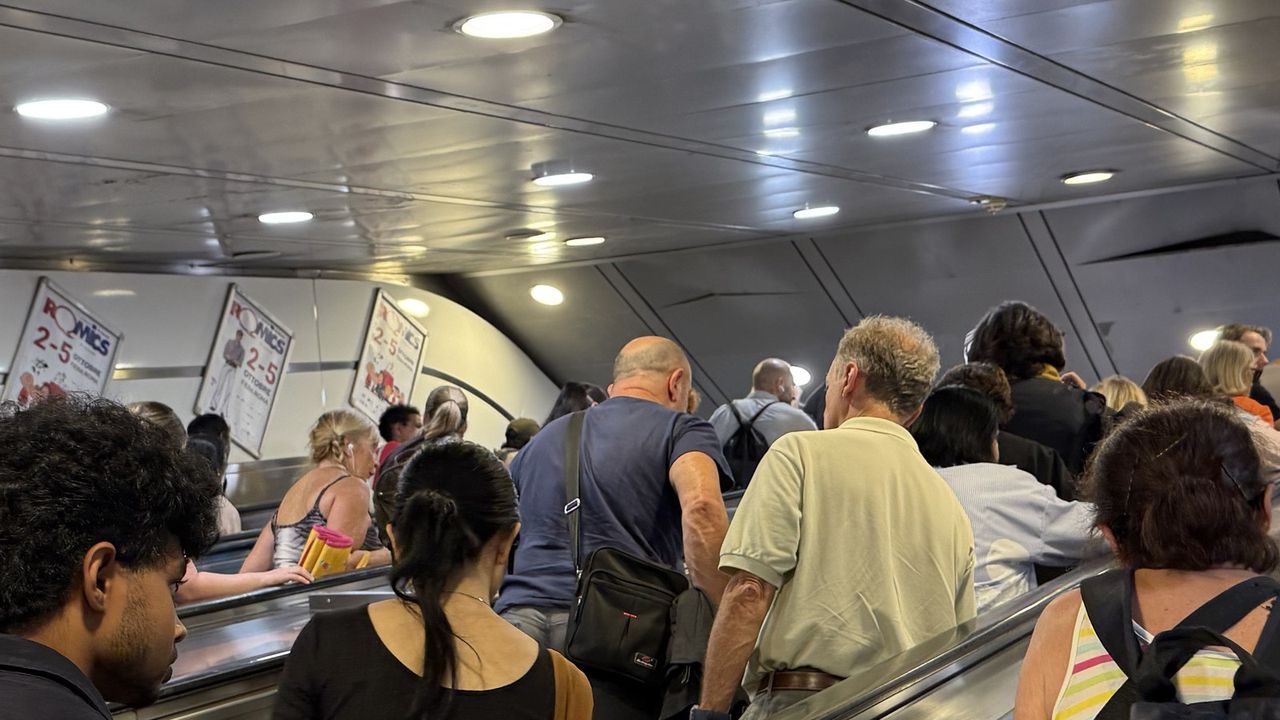
Most safety pages fold this into “pickpocketing”, which makes you defend the wrong thing. A pickpocket needs you crowded. A snatcher needs you visible and near a road.
It looks like two riders on a scooter, one driving, one reaching. The grab comes from the kerb side, done in under two seconds. On foot it is a shoulder-bump at a cafe table where your phone lies face-up. The freshest 2026 reporting shows targets skewing toward gold chains as much as phones, which changes what you wear out.
The dated 2026 cases name the places. A gold chain snatched from a scooter at Piazza del Gesù, two 21-year-olds detained. Two gold necklaces taken from an American tourist at Piazza Navona, a 17-year-old detained. Carabinieri broke up a scooter-based chain-snatching group in the historic centre, the “banda delle collanine”. Risk concentrates where a narrow pavement meets traffic, and at cafe tables on the road side.
Stop walking to check your map, stand with your back to a wall or step into a doorway, and leave the gold chain in the hotel safe.
One thing I am leaving out on purpose. There is a widely-copied statistic about the share of snatch theft that happens on public transport, attributed to the police. I could not find it on any police page or Italian press report, so it is not on this page.
Worth worrying about on a road-side pavement with your phone out, not in a museum queue. A stolen handset is the most claimable thing here, which is where travel insurance for Italy earns its keep.
3. The Airport Taxi That Ignores the Fixed Fare
One number does most of the work here. €55, Fiumicino to anywhere inside the Aurelian Walls. Learn it before you land and this mostly stops working on you.
Three variants. Someone approaches you inside the terminal offering a car, the clearest tell there is, because licensed drivers wait at the rank. The meter runs on a fixed-fare route. Or surcharges pile up at the end, invented on arrival.
The verified figure: €55.00 fixed and all-inclusive, Fiumicino to any address inside the Aurelian Walls. The operator’s wording is that the amount includes all applicable supplements, so no extra for luggage or passengers. That boundary covers essentially all of central Rome, Trastevere, Monti and the Vatican-adjacent streets included.
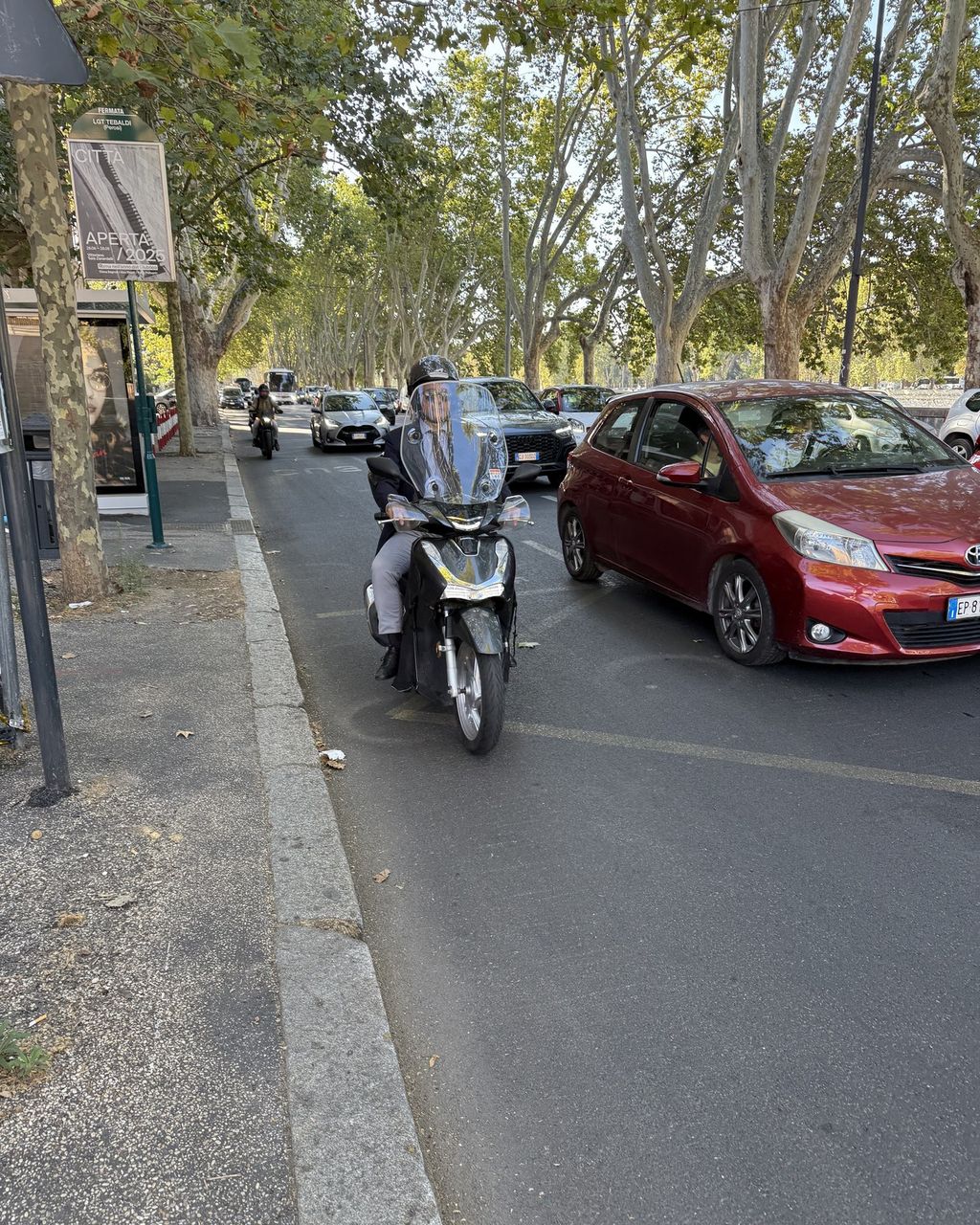
Checking the cab takes five seconds, and the airport operator publishes the checklist itself: authorised taxis are white, carry a rooftop TAXI sign, and show the licence number on the doors, on the back and inside the car. Rome-licensed cabs add the SPQR city crest, and a card terminal and the window fare card should be there too. Note the licence number before the boot closes.
One piece of internet folklore you can leave at baggage claim. It is repeated everywhere that taxis licensed by the Comune di Fiumicino, rather than by Rome, may legally run the meter on this route. Neither the airport operator’s page nor any city page confirms it, so this page does not assert it. In practice it does not change your move: take an authorised cab from the official rank, name the fixed fare before you get in, and the question never comes up.
Walk past anyone who approaches you inside the terminal, join the official rank outside, and say the fixed fare number before you get in.
The fixed fare exists because of viral overcharge cases: a BBC correspondent’s friend was billed €70 against the €50 fare then in force, and the city promised a crackdown in 2022.
Leonardo Express wins near Termini travelling light, a transfer wins with kids or luggage, the taxi wins on door-to-door simplicity. Full breakdown in the FCO to Rome comparison.
4. The Bracelet, the Rose and the Clipboard
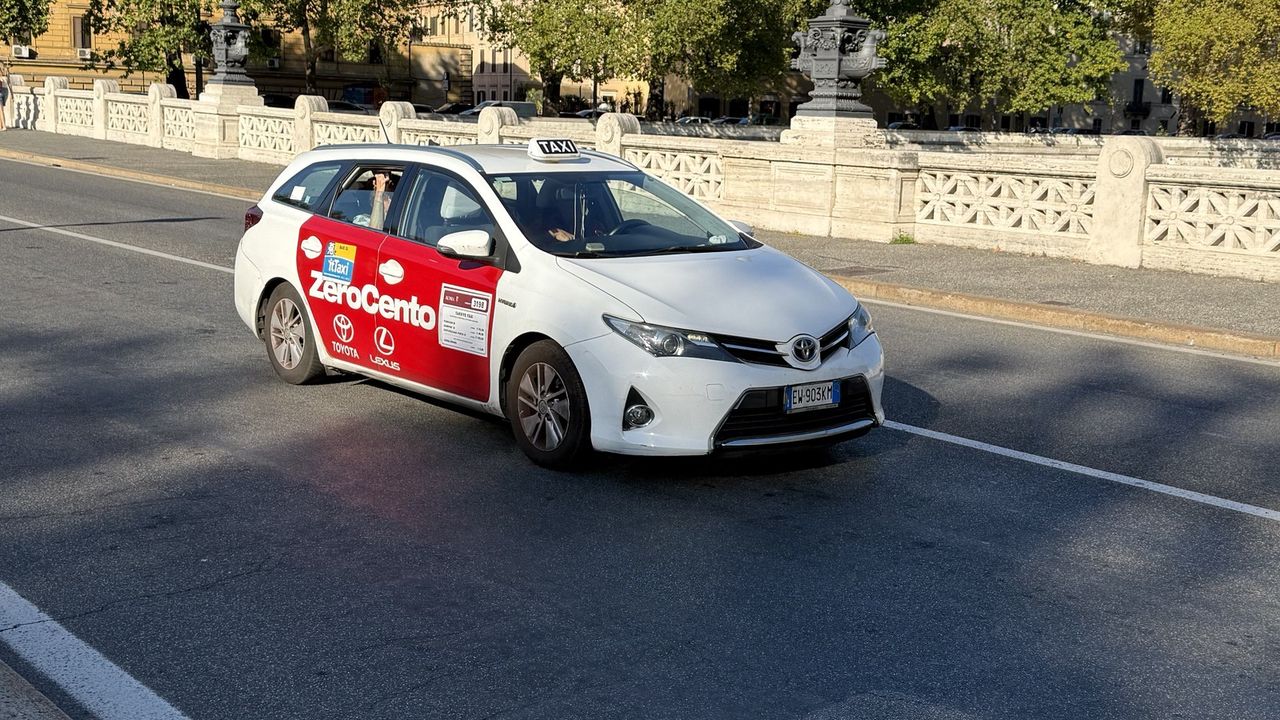
“Just say no” fails here, and it is worth knowing why. This is not a sales pitch. It is a debt trap built out of politeness: the bracelet is on your wrist before you agreed to anything, and now you hold their property.
The sequence never varies. A friendly opener, the object onto your wrist or into a child’s hand, a price, then rising volume when you refuse. The clipboard version swaps it for a charity petition: you sign, a donation materialises, and the clipboard blocks your exit. The rose is free for the lady, then priced to the man. They work Trevi, Navona, St Peter’s and the Colosseum forecourt.
Keep both hands in your pockets, do not break stride, and do not take the object even to hand it back. If it is already on, drop it and keep walking.
Are they breaking a law? Yes, though not the one you would guess. Adult begging was decriminalised in Italy after a 1995 Constitutional Court decision and law 205 of 1999, so this is not enforced as begging. It is enforced as unlicensed street vending, which is very much fineable. On 10 June 2026 a Roma Capitale Polizia Locale operation near St Peter’s stopped nine people running the scheme, seizing roughly 2,500 items and issuing €25,000 in sanctions.
Enforcement is periodic, so expect them back the following week. A nuisance, not a danger, and the whole defence is refusing to hold anything. See the Trevi Fountain guide.
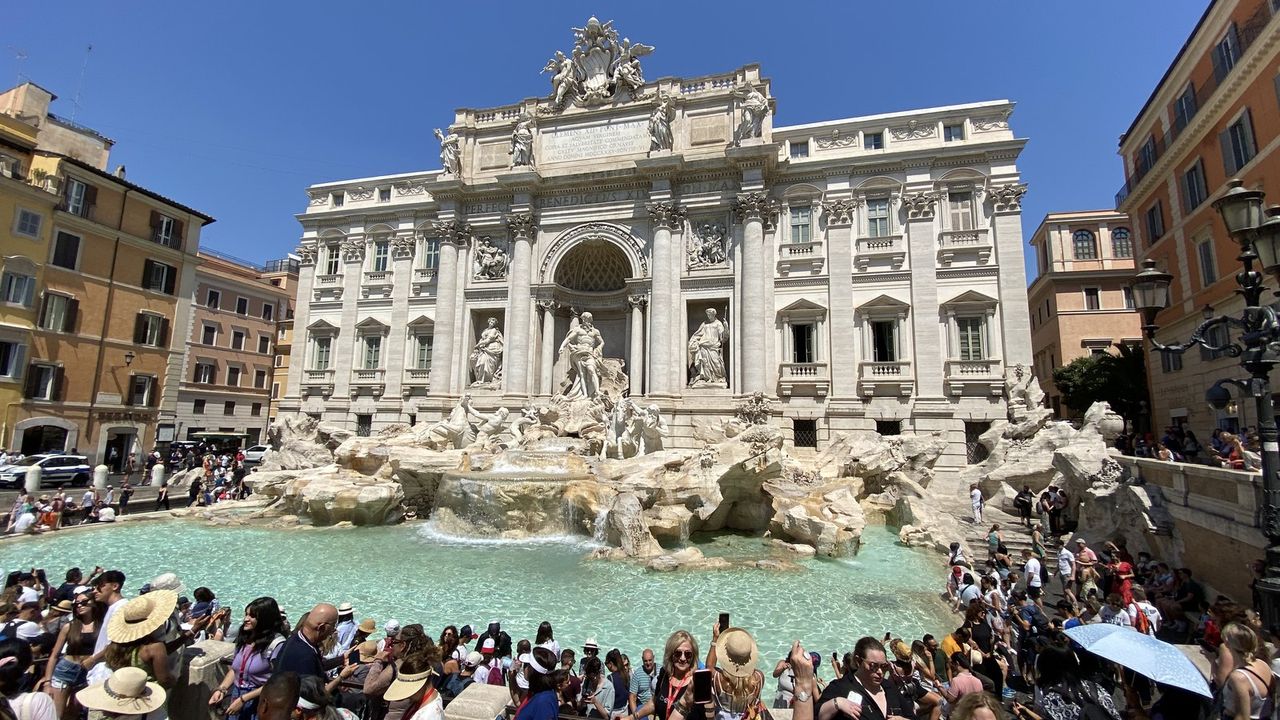
5. Gladiators and Centurions at the Colosseum
Two of the biggest Rome scam pages say the costumed gladiators were banned in 2018. Another says 2023. Neither date is right, and here is what actually happened.
The routine: a wave-in, a pose, an arm around your shoulder, the camera already clicking, then a per-person price after the shutter. Refuse and it escalates to loud complaint. Travellers report around €20 per person, demanded rather than agreed. That is reported experience, not a rate.
They work the Colosseum forecourt and Via dei Fori Imperiali, and turn up at Castel Sant’Angelo.
Do not pose, do not let anyone stand beside you for a photo, and if a price appears afterwards, walk toward the nearest uniformed officer instead of arguing.
Costumed photo touting has never been banned by one permanent measure. It started with Commissario straordinario ordinances around 2015 and 2016, carrying fines up to €400. The 2017 reissue was time-limited and needed renewal. The Comune once failed to renew it and the touts came straight back; a regional administrative court ruling briefly went their way. The current basis is the Regolamento di Polizia Urbana, in force since 8 July 2019.
So the ban exists, but enforcement comes and goes with whichever ordinance is live. Treat any tout as operating outside the rules.
Want a photo with a costumed Roman? Get it at a free reenactment event. Same costume, and it will not follow you.
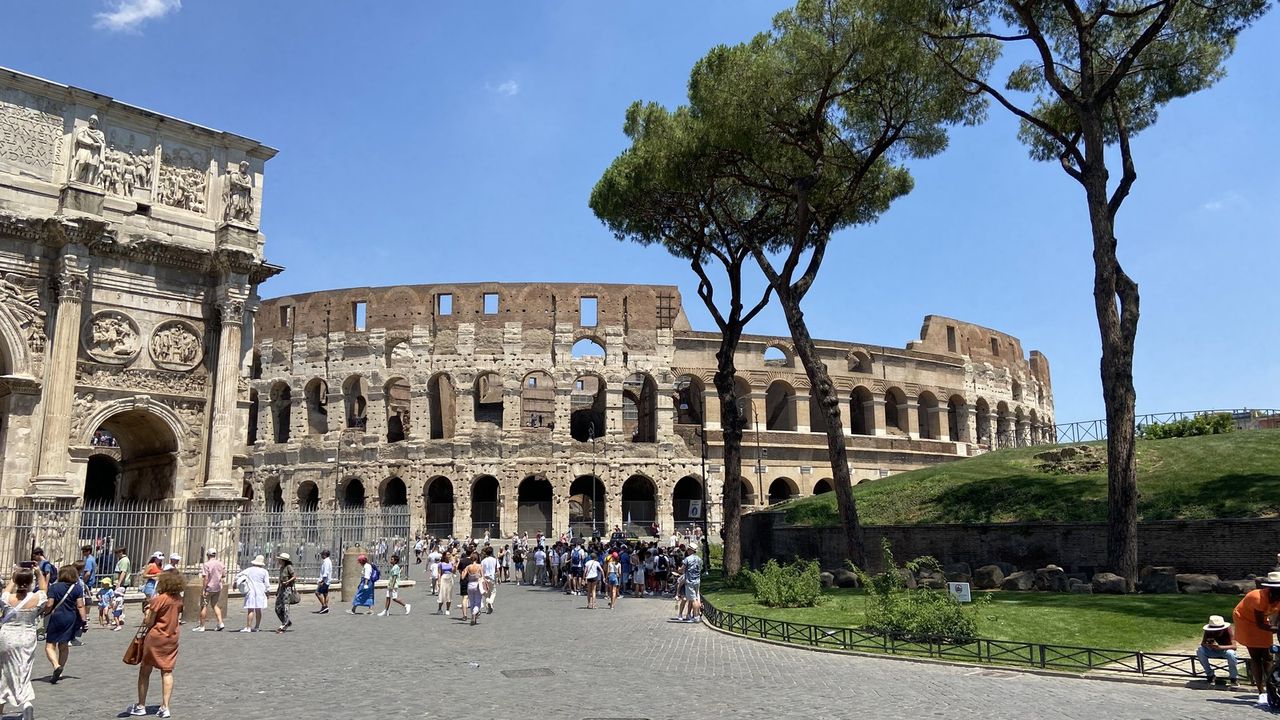
6. The Restaurant Bill That Doubles: Menus, Coperto and the Scontrino
The bill lands, it is triple what you expected, and you cannot point at a single line that is wrong. That is the design.
Three mechanisms do the work. No prices displayed, or a menu without the prices the window version carries. Fish priced all’etto, by the 100 grams, with neither the rate nor the weight stated before you order. And the tourist-menu bait, where the board price covers one component and the rest is priced separately.
It clusters around the Vatican, the Pantheon and Trastevere, but the tell is not the postcode. It is the person outside holding menus who speaks your language first.
Most lists get this backwards, flagging legal charges as fraud while missing the mechanism. Coperto is legal and normal across Italy but specifically prohibited in Lazio under regional law 21 of 2006, article 16. Per-etto pricing is legal too. The failure is non-disclosure or a padded weight. The coperto and tipping explainer has the full version.
One more lever, national law. Italian restaurants must issue an electronic receipt (scontrino elettronico) for every transaction, mandatory since January 2020 under Decreto Legge 119/2018. Refusing one is breaking tax law.
Read the posted menu with prices before you sit down, ask the per-etto price and plate weight before ordering fish, and ask for the scontrino at the end.
Being straight about what changed: the headline case is old. The €430 bill for two plates of pasta with fish near Castel Sant’Angelo dates from 2019, with no 2025 or 2026 equivalent. The mechanism is current, the example is not.
Two streets back, with a printed menu in the window and Italians at the tables, this stops being a thing.
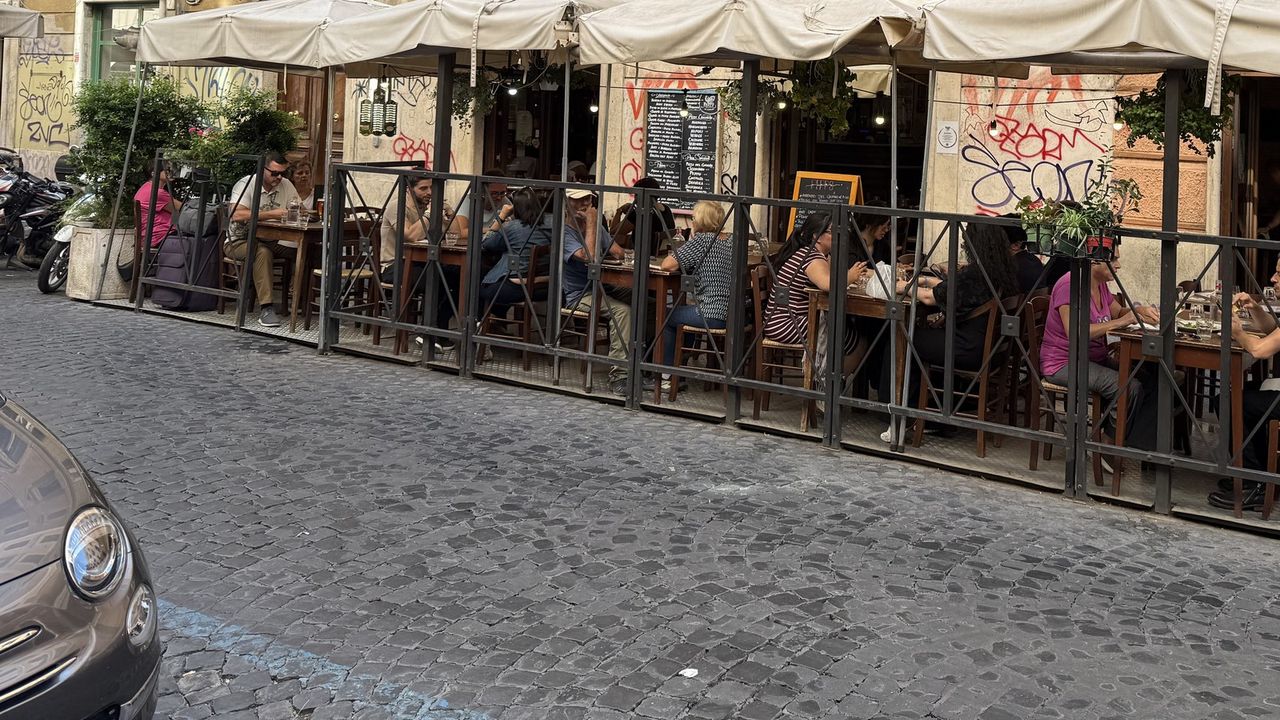
7. Skip-the-Line Touts and Fake Tickets at the Colosseum and Vatican
The official site being sold out is not simply Rome being busy. It is a documented market problem, and once you know the mechanism the touts stop looking like a solution.
They appear as the tablet-holder offering to save you three hours, the sold-out-today claim followed by a premium alternative, the upsell bundling a tour you never wanted, and the outright fake that does not scan. The tell: anyone selling in a queue, anyone telling you today is impossible without them. Two corridors matter, the Colosseum approach along Via dei Fori Imperiali and the walk up Viale Vaticano, the densest tout stretch in the city.
Italy’s competition authority investigated bot-driven bulk buying of official Colosseum tickets, which manufactured scarcity and pushed visitors toward resellers charging above face value. Official entry sits around €18 to €24; resale platforms were found charging €70 and up. The scarcity is partly engineered, which is why the person beside the queue is the worst possible answer.
Buy only from ticketing.colosseo.it for the Colosseum and the Vatican Museums’ own site for the Vatican, book the moment your dates are fixed, and never buy from anyone standing in or near a queue.
The Colosseum’s ticketing operator changed after 2024 and the release pattern shifted with it, so older advice about when tickets drop is unreliable. Treat “sold out” on a resale site as meaningless, and if your dates are locked, buy the Colosseum ticket the same day you book the flight. The 3-day itinerary has the booking order.