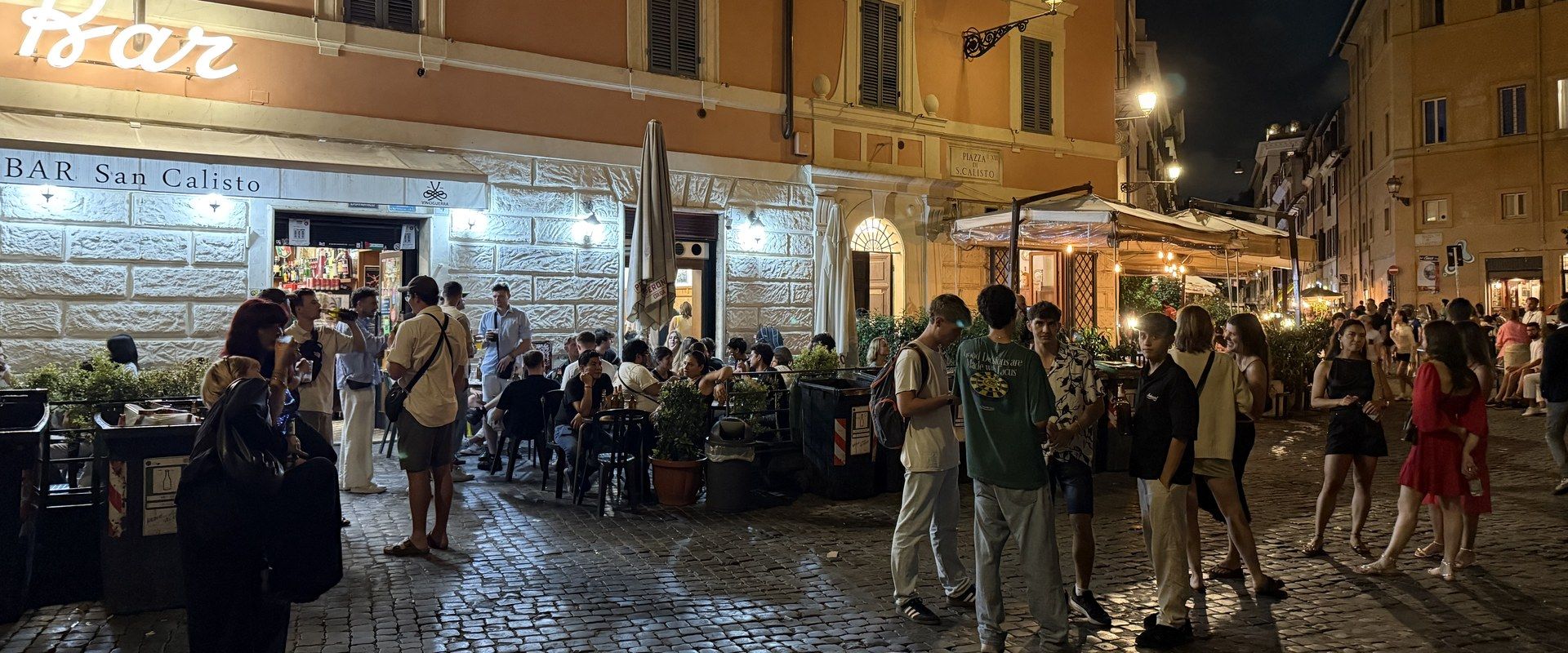

I have stayed in Trastevere on every single Rome trip since 2022, and I still would not tell a first-timer with three nights to book there. That is not false modesty. It is the whole point of this page.
Deciding where to stay in Rome comes down to three things, not eight: how many nights you have, what you actually came to see, and which airport train you are getting off. Most guides rank neighborhoods as though every reader wants the same trip, then quietly recommend all of them.
So here is the same set of facts for each of the four neighborhoods worth your money. Who it suits, walk times to the Colosseum, the Vatican Museums and the Pantheon, what the street sounds like at 11pm, how you get around without a car, how you arrive from Fiumicino, and roughly what you pay. If you are still shaping the trip, the 3-day itinerary sets the pace this article assumes.
I have booked the same neighborhood on every trip since 2022, so read this page as me arguing against my own habit.
How to Choose Your Rome Base in Three Questions
As of November 2025 you cannot legally be handed an Italian apartment through a keybox. Somebody has to see your face. That rule reshapes the hotel-versus-apartment decision more than any amount of neighborhood charm, and almost nobody booking Rome knows about it yet.
Work through three questions before you compare listings.
1. How many nights? Two or three means minimizing transit, which points at Centro Storico or Monti, where you walk out of the door into the thing you came for. Four or five buys the freedom to trade twenty minutes of walking for a better evening, which is where Trastevere and Prati become sensible rather than romantic. See the 3-day itinerary.
2. What did you come for? Ruins and the Forum: Monti. Vatican first, or travelling with kids: Prati. Food, wine, long dinners, wandering after dark: Trastevere, and read where Romans actually eat first. Maximum sights per step: Centro Storico.
3. How are you getting in from Fiumicino? No other guide ties this to the booking.
- Leonardo Express: 32 minutes non-stop to Termini, €14 one way. From there Monti is one Line B stop or a fifteen-minute walk, Prati a Line A ride to Ottaviano, Centro Storico a bus or a short taxi hop.
- FL1 regional train: around €8 to Roma Trastevere, roughly half an hour, then tram 8 or a ten-minute walk. It does not stop at Termini, which is a feature if you are heading across the river.
Landing late with a case, let the arrival route influence the booking, not the other way round. Full breakdown in FCO to Rome compared. book a private transfer from FCO to your door
Two costs sit outside the nightly rate:
The tourist tax. Per person per night, €4 to €10 depending on the category: €4 at a 1-star, €6 at a 3-star, €7.50 at a 4-star, €10 at a 5-star, and a flat €6 for B&Bs, vacation apartments and short-term rentals, charged for the first 10 consecutive nights (Roma Capitale’s own tariff table). It lands at check-in or checkout, often in cash, never in the headline price you compared.
The self-check-in rule. Italy’s Interior Ministry banned unattended keybox and smart-lock check-in in November 2024, a regional court suspended the ban in 2025, and the Consiglio di Stato reinstated it definitively in November 2025 (Sentenza n. 05732/2025). Hosts must verify your ID in person or by live video call on arrival, so an apartment needs a coordinated arrival time. A hotel front desk does not care that your flight slipped to 23:40.
Cannot answer question two? Book Centro Storico and stop optimizing. Getting around is in the metro and bus guide.
1. Trastevere: The One I Book Every Year, and Who Should Not
You have read that Trastevere is the soul of Rome and you have read that it is a noisy tourist trap, and nobody has told you which of those readers you are. Start with the cost rather than the charm: there is no metro station in Trastevere, and the Colosseum is a genuine walk. I book it anyway, every year, and those two facts are not in conflict.
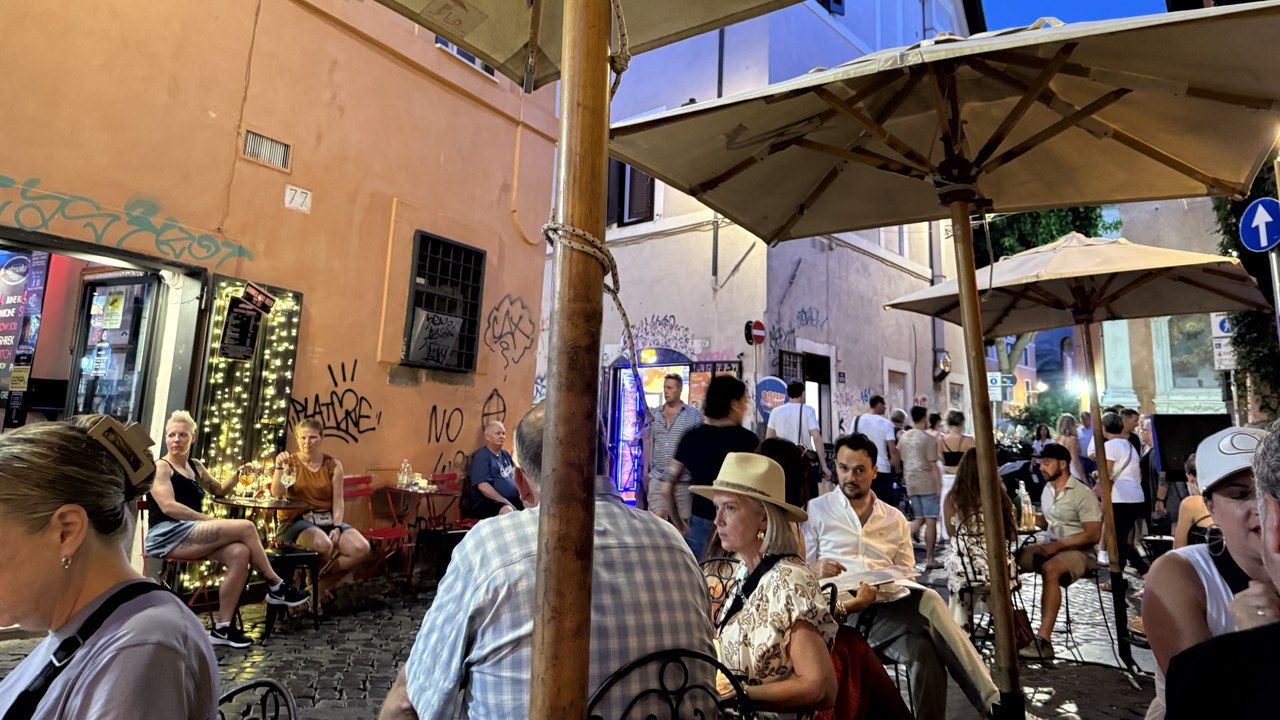
Who it’s for. Repeat visitors, couples, and anyone whose day is organized around dinner rather than opening hours. Four nights or more. Not for a first trip of two or three nights where every morning starts at a monument, not for light sleepers who ignore the street note below, and not for anyone with mobility limits, because it is cobbles plus a river crossing in both directions.
Walk times, from the middle of the neighborhood. To the Colosseum, 30 to 40 minutes, over the river and up a rise. To the Vatican Museums, comparable, on the order of 35 to 45 minutes up the west bank. To the Pantheon, 20 to 25 minutes over Ponte Sisto. These swing by ten minutes depending on which end you book.
What 11pm sounds like. The neighborhood is not one thing. The loud part is the wedge between Piazza Santa Maria in Trastevere and Piazza Trilussa, and on summer weekends it stays loud well past midnight. Streets south of Viale Trastevere are markedly more residential and quiet down at a normal hour.
So filter by street, not by neighborhood. Read the noise line in the reviews rather than the overall score, and treat a property that advertises free earplugs as having told you something useful.
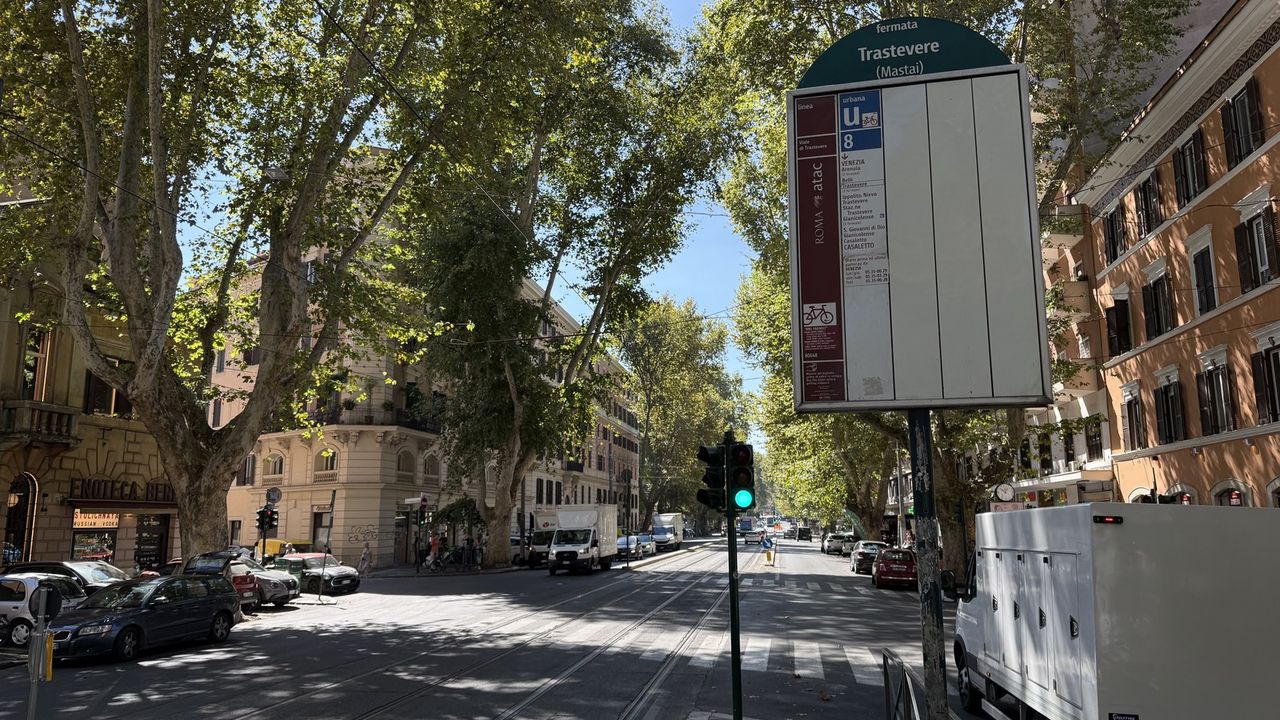
see what is available in TrastevereTransport. No metro station, and that is the real price of staying here. Tram 8 runs from Piazza Venezia out to Casaletto through the neighborhood and stops at Stazione Trastevere, your connection point. Bus H is the Termini link, and yes, it still runs. One warning matters here more than anywhere else: bus 64, the Termini-to-Vatican route, is Rome’s most notorious pickpocket line, and Trastevere guests heading to St Peter’s end up on it constantly. Bag in front, never board a packed one. More in safety and scams.
Arriving from the airport. Trastevere is the one neighborhood where the Leonardo Express is the wrong answer. Take the FL1 to Roma Trastevere for about €8, then tram 8 or a ten-minute walk. No Termini detour, no dragging luggage across the city. See FCO to Rome compared.
Price band. Mid to high, and climbing. Generally softer than the Pantheon core for a comparable room, but Trastevere stopped being the bargain option several years ago. One real number instead of a vague band: the superior room I booked at Giuditta in 2022 cost €197 a night; the same room on the same September dates lists at €287 today. And the inventory is lopsided even by Rome’s standards: a Booking search in August 2026 listed 21 hotels in Trastevere against 878 apartments and another 120-odd guesthouses and B&Bs. Hotels are about 2% of what you can book here, against roughly 7% across the city centre. Real hotel rooms in Trastevere are scarce, and the good ones go early.
Best for: your second Rome trip, or your first if you have five nights and care more about where you eat than how early you can be standing in the Forum. Skip if: three nights, first visit, a list of monuments to clear. The full walkthrough lives in the Trastevere guide.
For the record, since this page leans on it: Giuditta in 2022 and again in 2024, an apartment in 2023 that I never think about, La casa di Elba in 2025, and an apartment called HAPPY FIVE booked for this September. Same neighborhood every time. The rebooking is the review.
2. Monti: The Best First-Trip Base if You Came for Ancient Rome
From Monti you can be standing at the Colosseum in fifteen minutes on foot, back in your room when the 2pm heat peaks, and out again at seven, without touching a bus all day. On a three-night first trip that outperforms any amount of atmosphere.
Who it’s for. First-timers with two to four nights, ancient-Rome-first itineraries, anyone arriving on the Leonardo Express who does not want a second connection, and travellers who want an evening scene without Trastevere’s volume. Not for Vatican-first trips, and not for anyone expecting silence on the piazza.
Walk times. Colosseum, 10 to 15 minutes. Pantheon, 15 to 20 minutes. Vatican Museums, roughly 45 minutes on foot, which is why nobody walks it. From Monti the Vatican is a metro trip: Line B to Termini, change to Line A, out at Ottaviano, around 25 minutes door to door on a single €1.50 ATAC ticket.
What 11pm sounds like. Quieter than Trastevere, but not quiet. The noise concentrates on and immediately around Piazza Madonna dei Monti, where people sit on the church steps with drinks until late. Two streets back it drops off fast. Same instruction as across the river: pick the street, not the postcode.
Transport. The strongest transit position of the four. Cavour and Colosseo sit on Line B at either end of the neighborhood, Termini is a fifteen-minute walk or one stop, and Line B meets Line A at Termini when you need the Vatican side. Details in the metro and bus guide.
check Monti availability for your datesArriving from the airport. Leonardo Express, 32 minutes, €14 to Termini, then a walk or one stop on Line B. The simplest arrival of any neighborhood here, and worth real money when you land at midnight.
Price band. Mid to high, comparable to the historic centre and higher than most readers expect from a neighborhood that still markets itself as the bohemian option.
Trastevere vs Monti, decided
| Trastevere | Monti | |
|---|---|---|
| Ancient Rome | 30 to 40 min walk | 10 to 15 min walk |
| Evenings | Best in the city, and busiest | Good, smaller, calmer |
| Transit | No metro, tram 8 only | Two Line B stops, Termini nearby |
| 11pm noise | Loud around the two main piazzas | Loud on one piazza, quiet behind it |
| Arrival | FL1, €8, no Termini | Leonardo Express, €14, walk from Termini |
Monti wins the short first trip. Trastevere wins the longer or repeat trip. Three nights and a first visit, take Monti and come back for the other one. The Monti guide goes street by street.
3. Centro Storico: Maximum Sights per Step, at Maximum Price
The most touristy place to sleep in Rome also gives you the most actual Rome per day, because what you are really buying is the walk you do not have to take. That trade is real. What is not real is the claim, repeated across half the guides on this topic, that you can walk from here to St Peter’s in twenty minutes.
Who it’s for. First trips of two or three nights, travellers who want to step out of the door into it, anyone who would rather not think about transit. Not for tight budgets, not for light sleepers on the Campo de’ Fiori side, and not for anyone who wants to feel like they are in a neighborhood rather than inside an attraction.
Walk times. The Pantheon: you are in it. The Colosseum: 20 to 30 minutes via Piazza Venezia and Via dei Fori Imperiali. The Vatican Museums: 35 to 45 minutes, and this is the correction worth making. The Colosseum and the Trevi Fountain are plausible twenty-minute walks. St Peter’s is not, and booking on that assumption costs you an hour on your first morning.
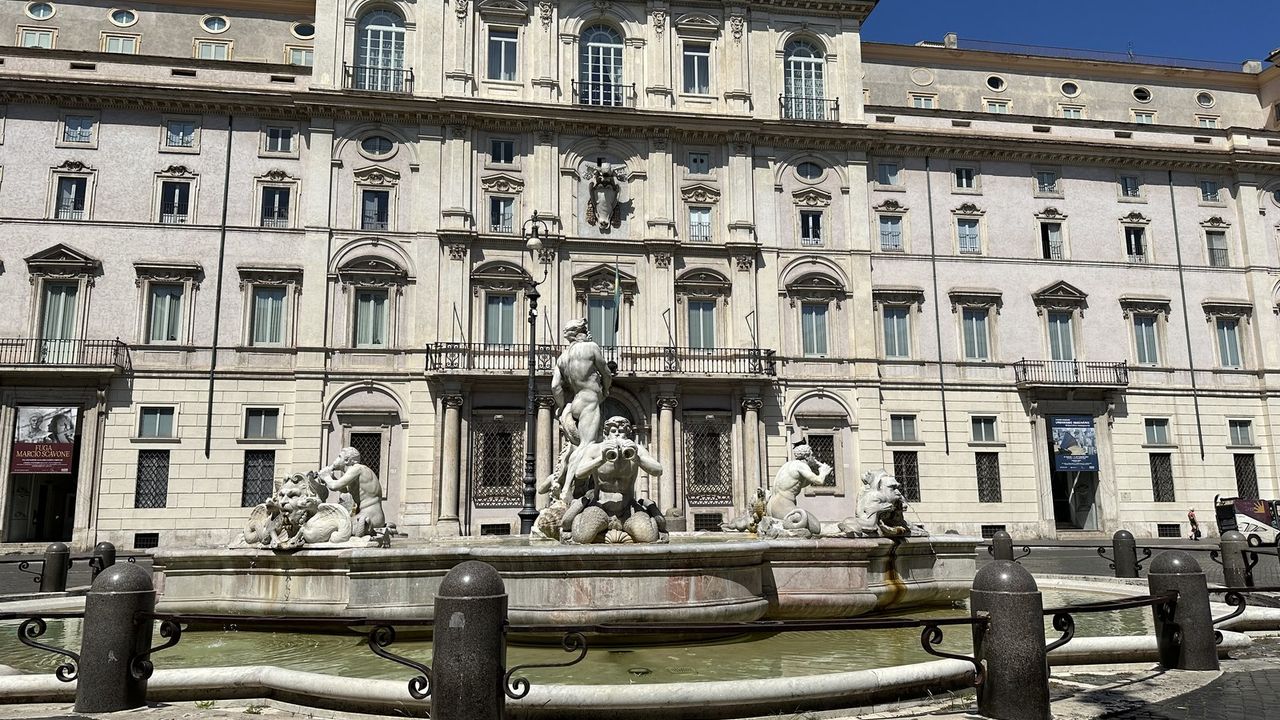
What 11pm sounds like. Campo de’ Fiori is a drinking square that empties loudly after midnight. The streets around the Pantheon and Piazza Navona go surprisingly quiet once the day crowds drain out. The underrated noise source is not nightlife at all: it is scooters on cobblestones, plus delivery vans and street cleaning starting early.
Transport. No metro in the core, which genuinely surprises people. The nearest stations are Barberini and Spagna on Line A, both a ten-minute-plus walk from the Pantheon. In practice you walk or take a bus, and bus 64 runs straight through toward the Vatican, which is exactly the route to be careful on. Read safety and scams and the metro and bus guide.
browse stays around the Pantheon and Navona
Arriving from the airport. Leonardo Express to Termini, then a bus, a short taxi, or Line A to Barberini and a walk in. The one arrival where a private transfer earns its cost, because hauling a wheeled case over cobblestones at midnight is its own small misery. Compare the options in FCO to Rome compared.
Price band. The highest of the four and the widest spread. The same street can hold a tired three-star and a converted palazzo at four times the rate.
First trip, three nights, no appetite for logistics: book here and spend the difference on dinner. Know what the bill will say first, in coperto and tipping explained.
4. Prati: Not Just for the Vatican, and Better Value Than It Looks
Every guide files Prati under “convenient for the Vatican” and moves on. That is how a neighborhood with flat pavements, two metro stations, real shops and quiet nights ends up being nobody’s actual recommendation. If you are pushing a stroller or you sleep badly, this is the most underrated base in Rome.
Who it’s for. Families with young children, light sleepers, Vatican-first itineraries, anyone who wants a working neighborhood with butchers and bakeries instead of souvenir stalls, and repeat visitors tired of the centre. Not for a Colosseum-and-Forum-shaped trip, and not for anyone who wants to walk home from dinner in the historic core.
Walk times. Vatican Museums: 5 to 15 minutes depending where in Prati you book, the shortest walk to a major sight of any neighborhood here. Pantheon: 25 to 35 minutes across the river. Colosseum: 45 minutes or more on foot, so treat it as a metro trip, Line A to Termini and change to Line B for Colosseo. Prati is the farthest of the four from the ancient-Rome cluster.
What 11pm sounds like. Genuinely quiet, and the quiet is the product. Residential blocks, restaurants that close at a civilized hour, and wide streets that do not funnel sound the way a cobbled lane does. The flip side: if you want to be somewhere at midnight, you take the metro there and a taxi back.
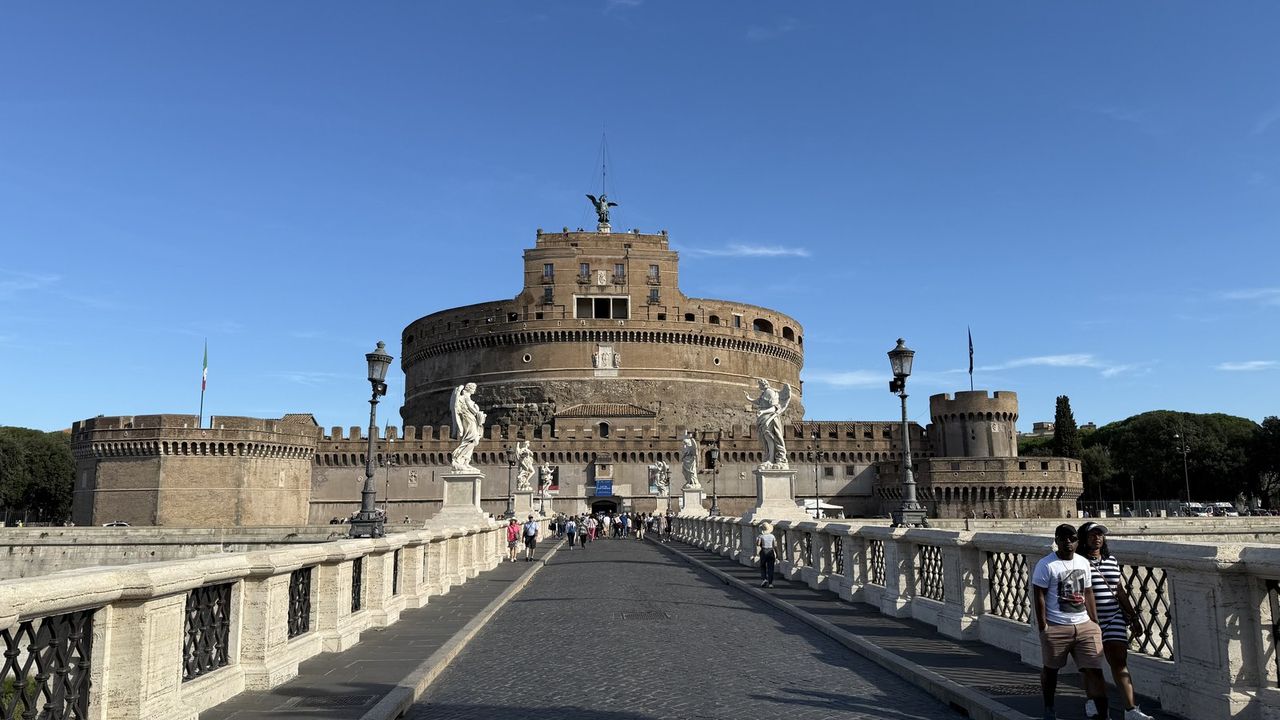
Transport. Ottaviano and Lepanto, both on Line A. Ottaviano is the calmer approach to the Vatican; Lepanto puts Castel Sant’Angelo about ten minutes away on foot. Line A also runs to Spagna, Barberini and Termini, so the centre is a short ride rather than a long march. Best metro position of the four. See the metro and bus guide.
see hotels and apartments near the VaticanArriving from the airport. Leonardo Express to Termini, then Line A to Ottaviano or Lepanto. One change, no cobbles, lift access at most points, which is the whole argument if you are travelling with a pushchair and a suitcase. The bus 64 warning applies in reverse here: that Termini-to-Vatican route ends up in Prati, and it is the one to avoid with luggage. See safety and scams and FCO to Rome compared.
Price band. Mid, and the best value per square metre of the four for a comparable standard. Family rooms and two-bedroom apartments in particular go further here than across the river.
Travelling with kids under ten, or you have ever changed hotels because of noise: start your search in Prati.
5. Also Considered: Testaccio and Termini, and When They Actually Win
You found a room near Termini for half the price of everything else and cannot tell from the photos whether it is a bargain or a mistake. Same story with Testaccio, praised by every food guide without a word about the commuting.
Testaccio
When it wins: your second or third Rome trip, food is the point, and you do not mind a tram to the sights. The market and the trattorias are the reason to be here, not the location. When it does not: any first trip of two to four nights, because you will spend it commuting. Transport is Piramide on Line B plus tram 3. Evenings are local, quiet on the residential streets, louder around the Monte Testaccio clubs at weekends. Lowest price band here that is still genuinely pleasant. Start with where Romans eat.
Termini and Esquilino
The honest version, not the scare story. When it wins: a tight budget, a very early train out, or a one-night stopover. When it does not: essentially everything else, because you are choosing a transport hub over a neighborhood. On safety, fairly: the blocks pressed against the station exits feel rougher and carry a visible police presence, while a few streets out it is ordinary city. The argument against Termini is not danger, it is that you swapped Rome for a station forecourt. See safety and scams.
The rest in one line: Aventino for the keyhole view, Villa Borghese for grand hotels, Garbatella for where no first-timer goes.
Best for: Testaccio on a repeat food trip, Termini on a budget or a dawn departure. Skip if: first visit, under five nights.
The Bottom Line
Find your row and book it:
- First trip, 2 to 3 nights: Centro Storico. Monti if ancient Rome is the point.
- First trip, 4 to 5 nights: Monti, or Trastevere if evenings matter more to you than early starts.
- Vatican first, or travelling with kids: Prati, and it is not a close call.
- Second or third trip: Trastevere.
- Food-led repeat trip: Testaccio.
- Tight budget or a dawn departure: Termini, and only then.
I book Trastevere every year. That is a repeat visitor’s choice, made by somebody who does not need to be ten minutes from the Forum. If this is your first trip, my pick is probably not your pick, and that gap is the most useful thing on this page. A guide that recommends every neighborhood has recommended none of them.
The honest version of that choice: I like Trastevere best at aperitivo hour and after dark, I eat well there because five trips taught me which places to skip, and since I walk nearly everywhere the thin transport costs me nothing. A 40-minute walk to start the morning is a price I pay happily. You might not, and that is the whole point of the rows above.
Two practical notes before you close the tab. Book earlier than feels necessary, because demand in Rome has not settled back down since the Jubilee year and family rooms and apartments are the scarcest category in the city. And check the arrival route against the neighborhood before you confirm, since that is the decision most people make last and regret first. If you are booking an apartment rather than a hotel, that check now includes agreeing an arrival time with the host, because the keybox is no longer an option. Pick your row, check your dates, and if the answer is Trastevere, start here. check dates in Trastevere